Luxury Property Insulation USA: The Definitive High-Performance Guide
The American high-end residential real estate market encompasses an exceptional diversity of regional climate zones. Specifically, these range from humid coastal expanses to sub-zero mountain ranges. Within these elite environments, architectural luxury has evolved far beyond superficial visual opulence. Today, true high-end residential engineering treats the building envelope as a thermodynamic system. Consequently, thermal resistance, moisture vapour permeability, and acoustic isolation converge. Maintaining absolute climate stability requires multi-layered insulation assemblies that perform flawlessly across decades.
Discerning property owners and custom estate architects routinely reject standard building-code minimum practices. These minimal practices frequently lead to thermal bridging and internal condensation risks. Instead, the upper tier of residential construction demands integrated, high-performance thermal barriers. Therefore, these systems handle extreme diurnal temperature fluctuations while ensuring pristine indoor air quality. Achieving this requires a rigorous departure from commoditized materials in favor of sophisticated building science.
Analyzing the intricacies of luxury property insulation usa requires moving past marketing hype and surface-level comparisons. A granular examination of thermodynamic transfer coefficients and advanced installation tolerances is essential. Thus, this comprehensive reference establishes an authoritative framework for evaluating and maintaining elite building envelopes.
Understanding “luxury property insulation usa”
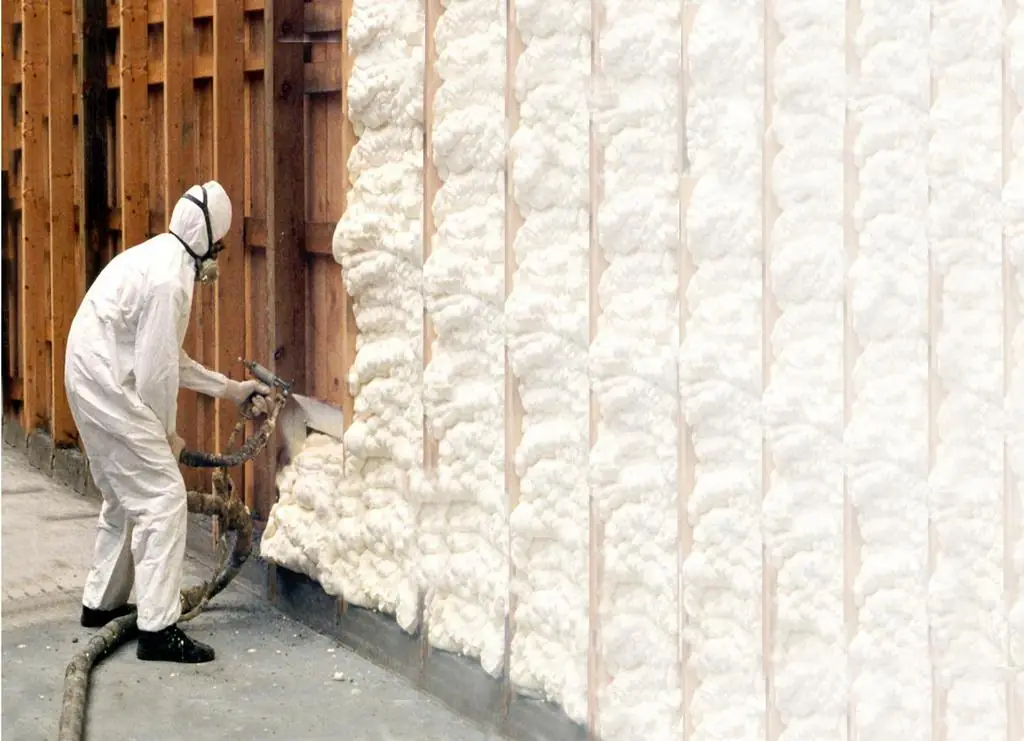
Deconstructing the Market and Terminological Ambiguity
The phrase luxury property insulation usa frequently encounters conceptual dilution across commercial supplier catalogues. Contractors often apply the luxury label to standard fiberglass batts simply because they are installed in high-value homes. True elite insulation engineering, however, is defined by continuous thermal planes and ultra-high R-values. Moreover, these systems feature deep acoustic dampening integration that eliminates inter-room noise transmission.
Common Misunderstandings and Oversimplification Risks
A pervasive misconception among developers is that simply increasing nominal R-value thickness guarantees superior thermal comfort. Treating insulation performance as a linear numerical calculation introduces critical vulnerabilities. Unmanaged thermal bridging through wood studs can bypass up to thirty percent of a wall’s nominal insulation capacity. Consequently, this creates localized cold spots where moisture condenses.
The Engineering Reality of High-Performance Envelopes
Achieving absolute climate equilibrium inside a custom estate requires precise coordination between air-sealing layers and vapor-retarder placements. Closed-cell spray foams and high-density mineral wool batts must function in absolute synchronicity. Comprehending the operational reality of luxury property insulation usa requires an analytical appreciation of dew point migration and air pressure differentials.
Deep Contextual Background
Historical Evolution of American Residential Thermal Control
The trajectory of domestic insulation reflects an ongoing transition from rudimentary material stuffing to advanced building science. Early American dwellings relied on mass masonry and organic fills like sawdust. Through the mid-twentieth century, cheap petrochemical energy fostered a culture of under-insulated construction, where indoor comfort was maintained primarily by brute-force mechanical heating capacities.
The energy crises of the 1970s catalyzed a permanent shift toward tighter building envelopes. As contemporary architecture pushed toward grand expanses of glass, traditional insulation methods proved inadequate. This structural complexity forced the high-end residential sector to adopt aerospace-derived materials and computer-aided thermal modeling.
Modern Industrial Shifts and Regulatory Pressures
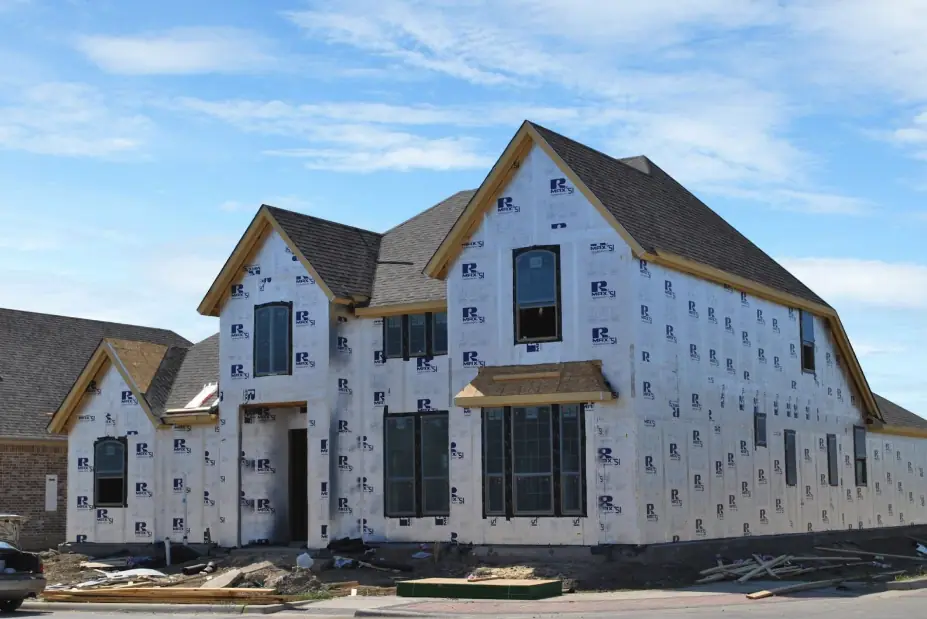
Contemporary luxury construction operates under rapidly evolving energy conservation codes. Meeting these stringent benchmarks while accommodating expansive architectural layouts requires advanced hybrid insulation systems. High-performance custom builders now routinely integrate closed-cell spray foam roof decks and continuous exterior boards. These practices solidify their status among luxury property insulation usa.
Conceptual Frameworks and Mental Models
Navigating elite residential insulation specifications requires structured mental models that bridge building physics and thermodynamics.
-
The Continuity of the Thermal Plane Model: This model evaluates the building envelope as an unbroken geometric skin, prioritizing the total elimination of conductive thermal bridges.
-
The Hygrometric Vapor Drive Paradigm: An analytical framework tracking moisture movement via diffusion, ensuring that moisture can dry safely without causing structural rot.
-
The Acoustic-Thermal Synergy Matrix: This construct assesses how high-density mass materials balance thermal resistance with sound transmission ratings.
-
The Enthalpy-Capacitance Balance: A mental model evaluating how heavy masonry dampens diurnal heat waves, stabilizing interior temperatures independently of mechanical runtime.
Key Categories or Variations of Elite Thermal Systems
Overview of High-Performance Insulation Typologies
High-end residential thermal control encompasses distinct material categories, each engineered to address specific structural challenges.
-
Closed-Cell Spray Polyurethane Foam (SPF): A rigid plastic foam providing a monolithic air barrier and an exceptional R-value per inch.
-
High-Density Mineral Wool Batts: Engineered fiber insulation produced from basalt rock, offering non-combustible fire resistance and acoustic dampening.
-
Vacuum Insulation Panels (VIPs): Ultra-thin panels enclosing an evacuated core, delivering extraordinary thermal resistance for space-constrained architectural details.
-
Insulated Concrete Forms (ICF) Assemblies: Monolithic concrete core walls sandwiched between thick layers of expanded polystyrene, creating an airtight envelope.
-
Extruded Polystyrene (XPS) Continuous Boards: Rigid foam boards installed outside structural framing to interrupt thermal bridging.
-
Cellulose and Wood-Fiber Wet-Spray Systems: Eco-friendly organic insulation materials offering high moisture-buffering capacity and low embodied carbon.
-
Phase-Change Material (PCM) Mattresses: Advanced thermal storage layers integrated into drywall to absorb and release latent heat during temperature shifts.
| Insulation System Category | Nominal R-Value Per Inch | Primary Structural Advantage | Core Vulnerability / Constraint |
| Closed-Cell Spray Foam | R-6.0 to R-7.0 | Acts as an absolute air and moisture vapor barrier | High upfront cost; requires precise chemical mixing |
| High-Density Mineral Wool | R-4.2 to R-4.5 | Exceptional acoustic control and non-combustibility | Requires a separate secondary vapor barrier layer |
| Vacuum Insulation Panels | R-30.0 to R-45.0 | Maximum thermal performance in ultra-thin profiles | Puncturing the outer envelope destroys thermal rating |
| Insulated Concrete Forms (ICF) | R-30.0+ (Effective) | Massive thermal mass and severe wind resistance | Rigid geometry limits post-pour layout changes |
Decision Logic for System Selection
Selecting the appropriate insulation typology requires rigorous evaluation of regional microclimate variables. For example, a coastal estate in South Florida demands closed-cell spray foam applied to the roof deck to withstand high humidity. Conversely, a mountain retreat in Aspen prioritizes a hybrid approach combining exterior continuous mineral wool with cavity insulation to handle sub-zero gradients.
Detailed Real-World Scenarios
Scenario 1: Coastal Estate in Palm Beach, Florida
A luxury residence located near the coastline faces intense solar radiation and high ambient humidity.
-
Constraints: Preventing interior mold growth caused by moisture condensation; resisting cyclic wind-pressure loads.
-
Decision Points: Specifying closed-cell spray polyurethane foam insulation combined with vapor-permeable water-resistive barriers.
-
Failure Modes & Second-Order Effects: Utilizing vapor-impermeable wall coverings over poorly detailed cavity insulation traps interior moisture, causing rapid biological growth.
Scenario 2: Modern Glass-Pavilion Residence in Jackson Hole, Wyoming
A custom mountain estate features extensive structural steel framing situated in a harsh sub-zero winter climate.
-
Constraints: Mitigating extreme thermal bridging through exposed structural steel members.
-
Decision Points: Deploying Vacuum Insulation Panels around steel connection details paired with continuous exterior insulation boards.
-
Failure Modes & Second-Order Effects: Neglecting to thermally break exterior steel moment frames results in severe frost accumulation on interior posts.
Scenario 3: Subterranean Compound in Beverly Hills, California
A hillside architectural masterpiece features extensive below-grade living spaces integrated into a seismic zone.
-
Constraints: Managing hydrostatic pressure and earth dampness against subterranean retaining walls.
-
Decision Points: Utilizing extruded polystyrene exterior foundation insulation paired with interior high-density mineral wool.
-
Failure Modes & Second-Order Effects: Inadequate foundation capillary breaks allow soil moisture migration through concrete pores, degrading finishes.
Planning, Cost, and Resource Dynamics
Financial Architecture of Thermal Envelope Procurement
Executing an elite insulation specification involves complex cost structures. Specifically, these span advanced material sourcing, hygrothermal modeling, and specialized labor.
Direct costs encompass premium foaming agents and custom vacuum panels. Indirect costs include third-party blower-door testing and engineering fees. Treating thermal insulation as a low-cost commodity subject to lowest-bidder pricing is a critical financial error.
Opportunity costs manifest when projects select standard materials to cut initial construction capital. Subpar envelope performance forces the sizing of oversized HVAC equipment, leading to permanently inflated utility expenditures.
| Expense Category | Budget Impact Driver | Cost Variability Factors | Long-Term Financial Implication |
| High-Performance Spray Foam Systems | High | Chemical formulation and board-foot coverage | Guarantees absolute air-sealing and lowers lifetime HVAC loads |
| Exterior Continuous Insulation Boards | Moderate-High | Material thickness and fastening engineering | Eliminates structural thermal bridging and prevents rot |
| Vacuum & Advanced Specialty Panels | Very High | Custom dimensions and fragile handling requirements | Solves extreme space-constrained thermal challenges |
| Specialized Installation & Commissioning | High | Blower-door testing and thermography audits | Verifies complete envelope continuity and warranties |
Tools, Strategies, and Support Systems
Successfully specifying and commissioning luxury insulation packages requires specialized diagnostic instrumentation and software.
-
Hygrothermal Simulation Software (WUFI): Advanced computational modeling tools used to simulate transient heat and moisture transfer.
-
Infrared Thermographic Cameras: Thermal imaging devices used during construction to detect air leakage paths and insulation voids.
-
Blower-Door Air Infiltration Apparatuses: Calibrated fan systems used to pressurize structures to quantify air changes per hour.
-
Smoke Pens and Anemometers: Diagnostic tools used to trace minor air bypasses around electrical boxes and window headers.
-
Precision Moisture Meters: Non-invasive meters used to verify that wood framing moisture content remains below critical thresholds.
-
Digital Calipers and Thickness Gauges: Specialized tools utilized to verify that spray foam installations meet specified thickness tolerances.
-
Acoustic Decibel Meters: Instruments used post-installation to measure sound attenuation across interior partition walls.
Risk Landscape and Failure Modes
The risk profile associated with elite residential thermal envelopes involves compounding technical failure modes.
The primary systemic risk is uncontrolled moisture accumulation via interstitial condensation. When a tight envelope lacks balanced vapor permeability, warm interior air diffusing through assembly gaps hits a cold exterior boundary layer. Without an appropriate vapor retarder, moisture condenses within the wall cavity, leading to wood decay.
Secondary risks involve chemical off-gassing during the installation of polyurethane foams. If components are mixed outside specified temperature tolerances, the foam can fail to cure properly, resulting in persistent chemical odors.
Governance, Maintenance, and Long-Term Adaptation
Operational Management and Review Protocols
Maintaining thermal efficiency across custom estates requires structured maintenance cycles. Property management teams should establish formal inspection protocols.
Auditing attic spaces and mechanical chases annually for signs of pest intrusion or moisture staining should be standard practice. Estates equipped with ventilation systems require routine filter replacements to ensure envelope pressures remain balanced.
Adjustment Triggers and Remediation Protocols
When mechanical defects occur, targeted interventions must follow immediately:
-
Localized Drafts: Indicated by thermal imaging anomalies or occupant discomfort. Remediation requires localized endoscopic investigation and foam injection.
-
Unexplained Humidity Spikes: Indicated by condensation on window frames. Remediation requires auditing HVAC capacity and checking for air barrier breaches.
-
Pest Compromise: Indicated by chewed insulation batts in attic eaves. Remediation requires mechanical barrier repair and replacement of compromised sections.
Measurement, Tracking, and Evaluation
Evaluating the implementation of a luxury residential insulation package requires balancing quantitative thermal performance data against qualitative feedback.
Leading indicators focus on pre-construction hygrothermal modeling and thermal bridge calculations. Lagging indicators measure operational outcomes, such as tracking post-occupancy energy consumption and monitoring indoor humidity logs.
Documentation Examples
-
Thermal Envelope Commissioning Dossier: Catalogs blower-door test results and WUFI hygrothermal simulation files.
-
Material Traceability Ledger: Records manufacturer product data sheets and Environmental Product Declarations.
-
Maintenance Schedule: Documents contractor certifications and scheduled inspection logs.
Common Misconceptions and Oversimplifications
Navigating the market requires dispelling persistent myths that routinely lead to structural failure.
-
Myth: Spray polyurethane foam is universally superior in every climate zone.
-
Correction: Open-cell foam or mineral wool may be vastly superior in specific interior partitions where vapor permeability is prioritized.
-
-
Myth: Installing thicker insulation layers infinitely reduces heating and cooling costs.
-
Correction: Diminishing returns apply rapidly after reaching optimal R-value thresholds, yielding negligible energy savings.
-
-
Myth: Rigid foam exterior sheathing traps all moisture and causes wood rot.
-
Correction: When correctly engineered with appropriate vapor permeance ratings, exterior rigid foam protects framing from condensation.
-
-
Myth: High-end insulation eliminates the need for an engineered HVAC system.
-
Correction: Tighter envelopes trap internal moisture, necessitating sophisticated mechanical ventilation systems to maintain air quality.
-
-
Myth: Mineral wool insulation loses its thermal resistance if it gets temporarily wet.
-
Correction: Mineral wool is water-repellent and dimensionally stable; once dried, it retains its original thermal performance.
-
-
Myth: All custom homes require the same insulation specification.
-
Correction: Insulation strategies must be customized to regional hygrothermal zones, balancing cooling humidity against heating differentials.
-
Ethical, Practical, and Contextual Considerations
The specification of materials within the luxury property insulation usa sector carries professional responsibilities. Utilizing high-efficiency thermal insulation significantly reduces residential carbon emissions, lessening strain on municipal power grids. Furthermore, prioritizing non-toxic and sustainable media protects trade workers and occupants from harmful volatile organic compounds.
Architects, homebuilders, and property stewards hold a shared responsibility to ensure that thermal envelopes adhere to high scientific and environmental standards.
Conclusion
Selecting and integrating elite thermal insulation systems requires a rejection of simplistic product generalizations in favor of rigorous engineering evaluation. From analyzing continuous thermal planes to implementing proactive commissioning protocols, every technical detail dictates long-term asset performance. By systematically aligning insulation specifications with regional thermal loads and advanced building science, stakeholders can achieve exceptional climate stability and structural resilience. True envelope excellence emerges from disciplined planning and an unwavering commitment to building physics.