Best Storm Windows in the US: Definitive Guide
The architectural landscape of the United States spans an extraordinary spectrum of climatic extremes, ranging from sub-zero New England winters to torrential Gulf Coast hurricane seasons. Within this diverse geographic tapestry, building envelopes face continuous degradation from wind-driven moisture, extreme thermal cycling, and heavy barometric fluctuations. When historic preservation mandates or budget constraints prevent the complete replacement of primary fenestration, secondary glazing systems provide an essential layer of defense. Selecting and integrating these secondary assemblies requires a nuanced understanding of building physics, framing compatibility, and regional climate demands.
Evaluating secondary glazing performance goes far beyond superficial aesthetics or manufacturer claims. Property owners, architects, and facility managers navigating the market often struggle to identify the best storm windows in the us because performance criteria shift dramatically depending on whether the primary goal is acoustic dampening, solar heat gain reduction, or severe wind resistance. A product engineered for historical preservation in a temperate northeastern market will fail to meet the rigorous impact-resistance standards required along hurricane-prone southern coastlines.
The following analysis provides a comprehensive framework for understanding, selecting, and maintaining high-performance secondary glazing across diverse American architectural contexts. By examining historical precedents, thermodynamic principles, and real-world failure modes, this reference establishes an authoritative guide for professionals seeking long-term environmental resilience and building envelope optimization.
Understanding “best storm windows in the us”
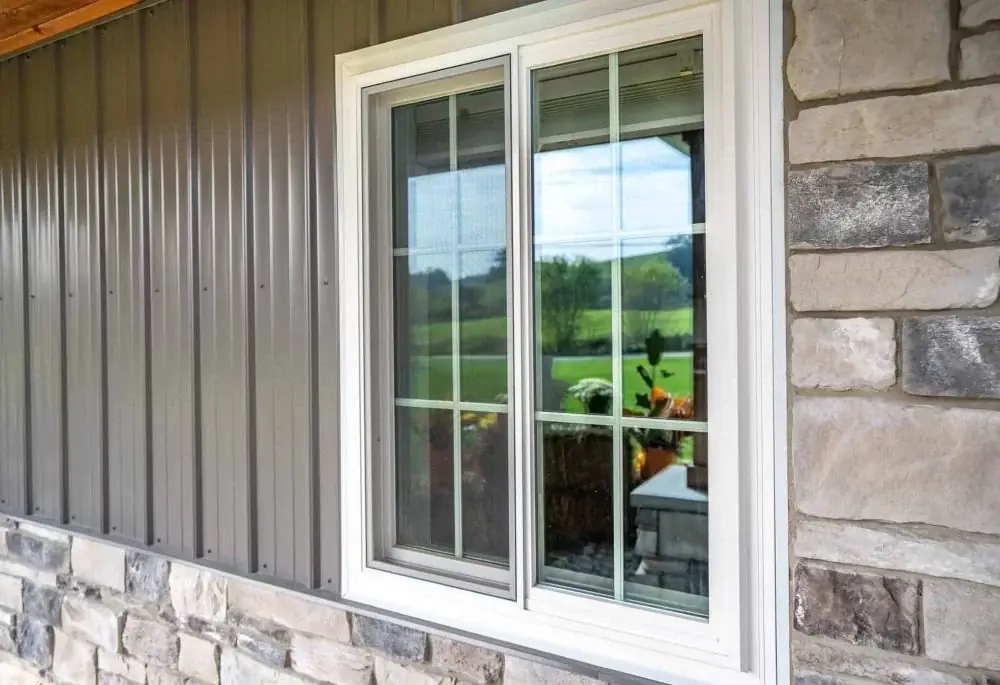
Navigating the marketplace for secondary glazing requires a clear rejection of one-size-fits-all consumer assumptions. When individuals search for the best storm windows in the us, they frequently encounter marketing narratives that rank products based solely on generic energy efficiency ratings or upfront retail cost. In reality, storm window performance is entirely contextual. A triple-track aluminum model that performs exceptionally well in a drafty Midwest suburban home may prove entirely inadequate for a high-rise historic masonry loft facing coastal salt spray and high-velocity wind loads in the Northeast.
A major oversimplification in this sector involves treating all glass and frame combinations as universally interchangeable. Consumers often assume that adding any secondary glass layer will automatically solve thermal and acoustic discomfort. However, if the air cavity between the primary window and the secondary unit is too narrow or too wide, natural convection currents form inside the gap, rendering the assembly thermally inefficient. Furthermore, failure to incorporate proper weepholes and drainage channels in exterior-mounted units traps condensation and driven rainwater against the primary historic wood sills, accelerating rot instead of preventing it.
True mastery of the best storm windows in the us requires analyzing the specific mechanical and thermal properties of the assembly. Factors such as Low-E (low-emissivity) glass coatings, gas fills, frame thermal breaks, and spring-loaded balance systems dictate whether a unit will withstand severe weather or fail prematurely. Comprehensive specification demands matching the product’s engineering limits to the building’s precise environmental exposure profile.
Deep Contextual Background
The evolution of secondary glazing in American architecture mirrors the broader history of energy economics, industrial manufacturing, and historic preservation movements. In early colonial and federal-era buildings, single-pane glass was a luxury, and seasonal wooden storm sashes were hand-fitted to protect fragile interiors from harsh winter drafts. These early sashes were utilitarian, labor-intensive, and routinely uninstalled during the summer months to allow natural ventilation through the building envelope.
The mid-twentieth century brought mass production, transforming storm windows into standardized commodity products. The post-war economic boom and the widespread adoption of extruded aluminum made exterior storm windows ubiquitous across American suburbs. These aluminum units offered durability and low maintenance, yet early models lacked thermal breaks, creating severe interior condensation problems and high thermal conductivity. The energy crises of the 1970s catalyzed a shift toward engineered performance, introducing weatherstripping, interlocking meeting rails, and multi-track designs that improved both thermal retention and operational utility.
In contemporary architecture, the search for the best storm windows in the us has been heavily shaped by historic preservation incentives and strict municipal energy codes. Preservation guidelines enforced by state historic preservation offices (SHPOs) and the National Park Service often prohibit the replacement of original wood windows in historic districts. Consequently, architects and preservationists rely on advanced interior-mounted secondary glazing systems that preserve exterior historic character while matching the thermal performance of modern double- or triple-pane replacement windows. This technological trajectory underscores the transition from crude seasonal barriers to sophisticated, permanent architectural envelopes.
Conceptual Frameworks and Mental Models
Evaluating secondary glazing performance requires structured mental frameworks that translate building physics into practical architectural decision-making.
-
The Cavity Thermal Resistance Model: This framework analyzes the air space trapped between the primary and secondary window, optimizing gap width to suppress convective heat transfer and maximize thermal insulation.
-
The Psychrometric Vapor Pressure Balance: This mental model tracks how indoor and outdoor vapor pressures interact across dual-glazing layers, identifying conditions where condensation might form on intermediate glass surfaces.
-
The Structural Wind-Load Vector Model: This conceptual tool evaluates how high-velocity wind pressures exert lateral force on exterior secondary frames, guiding the selection of reinforced extrusions and impact-rated glass.
-
The Acoustic Mass-Air-Mass Resonance Framework: This acoustic model analyzes how differing glass thicknesses and resilient framing decouple sound waves, preventing resonant frequency transmission from exterior street noise.
These mental models move decision-making beyond superficial brand comparisons, ensuring that secondary glazing selections address the underlying physical dynamics of the building envelope.
Key Categories or Variations of Secondary Glazing
Secondary glazing systems available across the domestic market fall into distinct technical categories, each balancing thermal performance, structural integrity, and architectural compatibility.
-
Exterior Triple-Track Aluminum Units: Traditional heavy-duty extruded aluminum frames featuring two glass sashes and one insect screen operating independently on vertical tracks.
-
Interior Magnetic Acrylic Glazing: Lightweight, clear optical-grade acrylic panels secured to interior window trim via magnetic strips, offering high thermal efficiency with minimal visual impact.
-
Historic Wood-Framed Exterior Storms: Custom-milled wooden storm sashes designed to match historic architectural profiles, combining traditional aesthetics with modern glass options.
-
Low-E Glass Retrofit Storm Windows: High-performance units featuring pyrolytic or sputtered Low-E coatings that reflect radiant heat back into the interior during winter and block solar heat gain in summer.
-
Impact-Resistant Coastal Storm Windows: Heavy-gauge aluminum or reinforced vinyl frames fitted with laminated safety glass designed to withstand windborne debris during severe tropical storms.
-
Fixed Lift-Out Secondary Systems: Stationary interior or exterior panels secured with compression gaskets, ideal for non-operable windows requiring maximum airtightness.
| Secondary Window Category | Primary Performance Advantage | Typical Aesthetic Impact | Primary Technical Limitation |
| Triple-Track Aluminum | High operational flexibility and ventilation | Moderate industrial profile on historic facades | Prone to thermal bridging if un-thermal-broken |
| Interior Magnetic Acrylic | Exceptional thermal insulation and zero exterior alteration | Nearly invisible from exterior and interior | Scratches easily during routine cleaning; non-operable |
| Historic Wood Storms | Perfect alignment with preservation guidelines | Seamless architectural integration | Requires regular exterior painting and maintenance |
| Low-E Coated Glass Units | Superior U-factor reduction and UV protection | Slight tint or reflectivity depending on coating | Higher upfront material cost |
| Impact-Resistant Coastal | Hurricane debris protection and structural strength | Heavy framing members | Substantial unit weight requires secure structural anchoring |
Decision Logic for Product Selection
When determining the most appropriate secondary glazing system for a project, technical specifiers evaluate the governing constraints of the site. If a building falls within a strict historic district overlay, exterior metal frames are usually prohibited, directing the choice toward interior magnetic acrylic panels or custom wood sashes. Conversely, if a commercial facility in a windy northern climate requires maximum energy savings and operational window access, exterior thermally broken triple-track aluminum units represent the optimal engineering solution.
Detailed Real-World Scenarios
Examining concrete operational environments illustrates how secondary glazing systems perform under extreme regional constraints.
A : Historic 19th-Century Brownstone in Boston
A historic residential brownstone in Boston featured original single-pane, double-hung wood windows that suffered from severe drafts and heat loss during winter nor’easters. Strict local preservation laws barred replacing the historic sashes. The design team selected interior, low-profile magnetic secondary glazing featuring Low-E glass coatings. This intervention preserved the exterior historic facade entirely while dropping winter heating loads and eliminating interior window frosting by maintaining a warm inner glass surface temperature.
B : Coastal High-Rise Condominium in Miami
A high-rise residential building facing Biscayne Bay experienced extreme wind-driven rain intrusion and high-frequency traffic noise from an adjacent causeway. Standard exterior storm windows failed under tropical storm wind pressures. The property management association retrofitted all openings with heavy-duty, impact-rated exterior secondary windows featuring laminated safety glass and structural anchoring. This upgrade successfully withstood hurricane wind loads while attenuating exterior decibel levels significantly.
C : Mid-Century Modern Residence in Minneapolis
A sprawling mid-century modern home with large, non-operable fixed glass expanses suffered from massive thermal loss during sub-zero winter spells. The owners installed exterior, fixed-glass thermal storm panels with argon-filled low-emissivity glass. The system created an optimized insulating air cavity, eliminating interior condensation runoff and stabilizing indoor mean radiant temperatures without altering the clean structural lines of the original architecture.
Planning, Cost, and Resource Dynamics
Executing a comprehensive secondary glazing project requires structured resource allocation across material procurement, custom fabrication, and specialized installation labor.
Direct costs encompass custom-measured framing materials, Low-E or laminated glass panes, heavy-duty weatherstripping, and specialized structural fasteners. Indirect costs involve architectural detailing, lead-safe historic paint handling (if working on pre-1978 buildings), and scaffolding rentals for multi-story exterior installations. Treating secondary windows as cheap, off-the-shelf commodities is a major budgeting error; custom fabrication for irregular historic openings often drives labor expenses significantly higher than standard retail estimates.
Opportunity costs manifest when building owners delay envelope upgrades to save short-term capital. Unaddressed thermal drafts force HVAC systems to run continuously, driving up annual energy consumption and accelerating mechanical wear.
| Expense Category | Budget Impact Driver | Cost Variability Factors | Long-Term Financial Implication |
| Custom Wood Storm Sashes | High | Lumber species, custom joinery, historical profile matching | Long service life if maintained; preserves historic property value |
| Interior Magnetic Acrylic | Moderate | Sheet thickness, UV-stabilized coating, custom sizing | Excellent thermal payback through lower annual heating bills |
| Heavy-Duty Aluminum Units | Moderate-High | Thermal breaks, finish type (anodized vs painted) | Durable structural performance with minimal frame decay |
| Specialized Installation Labor | High | Building height, wall substrate condition, lead abatement needs | Ensures airtight installation and prevents water infiltration |
Tools, Strategies, and Support Systems
Deploying secondary glazing effectively requires specialized diagnostic instruments, installation hardware, and technical reference standards.
-
Laser Distance Measurers: Precision optical tools used to verify rough opening squareness and dimensions down to the millimeter for custom-fit manufacturing.
-
Infrared Thermography Cameras: Diagnostic devices used post-installation to verify the elimination of thermal bridging and cold spots around window frames.
-
Digital Hygrometers: Instruments used to monitor indoor relative humidity and prevent trapped moisture accumulation within the secondary glazing cavity.
-
Silicone and Polyurethane Sealants: High-grade elastomeric compounds used to establish continuous, airtight perimeters around exterior mounting frames.
-
Spring-Loaded Balance Systems: Mechanical hardware integrated into operable double-hung storm windows to support sash weight securely.
-
AAMA Testing Protocols: Industry standards governing air infiltration, water penetration, and structural wind resistance for fenestration products.
-
Non-Destructive Moisture Meters: Handheld tools used to inspect surrounding wood framing for hidden water damage prior to installation.
-
Custom Aluminum Extrusion Brake Presses: Fabrication shop equipment used to bend custom panning and sub-sill flashing profiles for complex masonry openings.
Risk Landscape and Failure Modes
The risk landscape associated with secondary glazing installations involves moisture entrapment, thermal glass stress, and operational degradation. These risks frequently compound through interconnected failure chains.
The primary systemic risk is moisture condensation and rot within the interstitial cavity between the primary and secondary windows. When an exterior secondary window is sealed too tightly without proper drainage weep holes, indoor humidity that leaks past the primary window becomes trapped against the cold secondary glass. This moisture condenses, pools on the wooden sill, and creates an ideal environment for mold colonization and wood-destroying fungi. Mitigating this risk requires ensuring that exterior storm windows feature operable weep holes and that interior magnetic units maintain an airtight seal on the room side to block indoor moisture vapor from entering the cavity.
Secondary risks involve thermal glass breakage due to excessive solar absorption. When dark window frames or heavy Low-E coatings trap solar radiation within the air cavity, uneven thermal expansion can occur across single-pane primary glass, causing stress fractures. Managing this risk requires selecting glass thicknesses and coatings compatible with the thermal absorptance of the existing building assembly.
Governance, Maintenance, and Long-Term Adaptation
Maintaining long-term performance and clarity across secondary glazing systems requires structured governance frameworks, scheduled inspection protocols, and proactive maintenance cycles.
Facility managers and property owners should establish formal review schedules, inspecting weatherstripping, drainage channels, and operating hardware biannually—ideally before the winter heating season and the summer storm season. Polyvinyl chloride (PVC) gaskets and rubber weatherstripping degrade under ultraviolet radiation and extreme temperature swings, losing resilience and allowing air and water leakage.
Adjustment Triggers and Remediation Protocols
When specific performance regressions occur, targeted interventions must follow immediately:
-
Weep Hole Obstruction: Indicated by water pooling in the bottom exterior storm track during heavy rain. Remediation requires clearing insect guards and debris from drainage channels immediately.
-
Weatherstripping Degradation: Indicated by rattling sashes during high winds or noticeable drafts. Remediation requires stripping worn pile or bulb gaskets and installing fresh weather seals.
-
Interior Cavity Condensation: Indicated by water droplets forming between the primary and secondary glass panes. Remediation requires sealing interior air leaks on the primary window to stop indoor moisture exfiltration.
Maintaining a comprehensive digital logbook tracking inspection dates, component replacements, and maintenance histories ensures long-term asset accountability and envelope health.
Measurement, Tracking, and Evaluation
Evaluating the success of secondary glazing deployments requires balancing quantitative energy performance data against qualitative occupant comfort feedback.
Leading indicators focus on process compliance: verifying that rough opening measurements are exact, ensuring exterior weep holes are unblocked, and confirming that installation perimeters are sealed continuously. Lagging indicators measure operational outcomes: tracking reductions in annual heating and cooling utility bills, monitoring tenant comfort complaints regarding drafts, and evaluating post-installation infrared scans for thermal envelope continuity.
Documentation Examples
To maintain rigorous accountability, property management teams utilize standardized recording templates:
-
Fenestration Commissioning Log: Catalogs window dimensions, glass type specifications, frame materials, and installation sign-offs for every building elevation.
-
Seasonal Maintenance Schedule: Records inspection dates, weatherstripping conditions, and hardware lubrication cycles.
-
Thermal Performance Audit Report: Summarizes pre- and post-installation infrared thermography findings and estimated energy savings.
Common Misconceptions and Oversimplifications
Navigating the market for secondary glazing requires dispelling persistent myths that routinely lead to poor product selection and building damage.
-
Myth: Any cheap aluminum storm window provides the exact same energy savings as a high-end custom wood or acrylic unit.
-
Correction: Un-thermal-broken aluminum conducts cold rapidly, often causing severe condensation and frosting that negates much of the thermal benefit.
-
-
Myth: Interior storm windows trap moisture and rot the primary window frame.
-
Correction: Properly installed interior magnetic acrylic units seal against the warm room-side air, actually preventing indoor moisture from reaching the cold primary window.
-
-
Myth: Secondary glazing is only useful for cold winter climates and offers no benefits in hot southern regions.
-
Correction: Modern Low-E storm windows equipped with solar control coatings significantly reduce cooling loads and block solar heat gain in southern climates.
-
-
Myth: Drilling ventilation holes in the bottom of an exterior storm window ruins its structural integrity.
-
Correction: Operable weep holes are mandatory engineering features required to drain incidental water safely out of the frame track.
-
-
Myth: Historic preservation guidelines prohibit the use of any secondary glazing system.
-
Correction: Low-profile interior magnetic glazing is widely endorsed by preservation authorities because it is completely reversible and preserves the historic exterior facade.
-
-
Myth: Heavy-duty impact storm windows eliminate the need for primary window maintenance.
-
Correction: Secondary windows protect the primary assembly from weather, but underlying structural wood rot or hardware failure on the primary window must still be repaired independently.
-
Ethical, Practical, and Contextual Considerations
The selection and installation of building envelope systems carry professional responsibilities that extend far beyond financial accounting. Improving energy efficiency through secondary glazing significantly reduces carbon emissions associated with residential and commercial building operations, supporting broader environmental sustainability goals. Furthermore, in urban and historic settings, preserving original fenestration craftsmanship rather than discarding it into landfills embodies sustainable material stewardship.
Additionally, ensuring proper indoor thermal comfort and eliminating drafts directly impacts the health, well-being, and productivity of building occupants. Architects and facility managers hold a profound duty of care to ensure that secondary glazing installations enhance structural safety, indoor air quality, and thermal resilience without compromising historic architectural heritage.
Conclusion
Selecting and integrating secondary glazing across American architectural archetypes requires a rejection of simplistic product generalizations in favor of rigorous building science. From analyzing cavity thermal dynamics and vapor pressure gradients to implementing robust drainage paths and maintenance schedules, every technical detail dictates long-term envelope resilience. By systematically aligning product capabilities with specific regional climate stresses and preservation mandates, property owners can achieve exceptional energy efficiency, superior acoustic comfort, and durable structural protection. True architectural longevity emerges from disciplined engineering, careful material selection, and an unwavering commitment to quality.