Top Rated Home Comfort Solutions USA: The Definitive Guide
The American domestic environment presents a complex challenge. Specifically, diverse climatic extremes require top rated home comfort solutions usa to address everything from humid subtropical coastal regions to arid deserts and freezing sub-zero winters. Within these varied zones, residential indoor climate management has evolved. Furthermore, it has grown from rudimentary appliances into an integrated, holistic science. Maintaining balanced interior conditions requires sophisticated coordination. For instance, this includes thermal regulation, humidity control, and ventilation dynamics. Consequently, modern residential architecture demands rigorous oversight to ensure living spaces remain comfortable.
Discerning homeowners and property developers increasingly reject single-point approaches. Instead, they look toward comprehensive system architectures. Therefore, they coordinate multi-stage heat pumps, variable-speed air handlers, and whole-house filtration arrays. Achieving peak performance relies on recognizing a core principle. Specifically, residential comfort is not governed by temperature alone. It represents a delicate interplay between relative humidity and air velocity vectors.
Analyzing this multi-faceted sector requires moving past promotional marketing. A thorough examination of mechanical engineering constraints is essential. Thus, this comprehensive reference establishes an authoritative framework. It guides professionals in deploying top rated home comfort solutions usa efficiently.
Understanding “top rated home comfort solutions usa”
Deconstructing the Market and Terminological Ambiguity
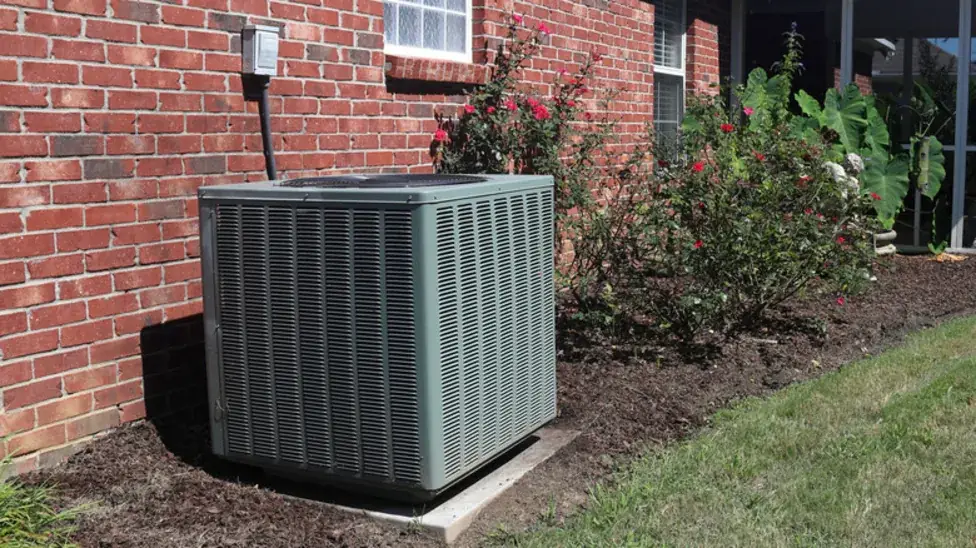
The phrase top rated home comfort solutions usa frequently encounters conceptual dilution across digital marketplaces. Mass-market retailers often label basic heating units as premium comfort systems. True top-tier indoor solutions, however, are defined by variable capacities and precise zone control. Moreover, they feature advanced indoor air quality integration that exceeds regional building mandates. These integrated assemblies communicate digitally across components rather than operating in isolation.
Common Misunderstandings and Oversimplification Risks
A pervasive misconception among buyers is that selecting an oversized unit guarantees superior control. Treating environmental comfort as a simple capacity calculation introduces severe operational flaws. Oversized systems short-cycle constantly. Consequently, they fail to dehumidify the air properly, leading to clammy conditions and premature mechanical wear.
The Engineering Reality of Integrated Indoor Environments
Achieving true thermal equilibrium requires advanced electromechanical coordination. Inverter compressors, communicating thermostats, and modulating gas valves must function in unison. Comprehending the operational reality of top rated home comfort solutions usa requires an analytical appreciation of static pressure drops and envelope interactions.
Deep Contextual Background
Historical Evolution of American Residential Climate Control
The trajectory of domestic environmental control reflects an ongoing dialogue between human needs and engineering capabilities. Early American homes relied on central hearths and cast-iron stoves. As industrial fabrication matured, mechanical refrigeration and forced-air furnaces transformed residential architecture.
The energy crises of the 1970s catalyzed a radical shift toward tighter building envelopes. While sealing homes reduced thermal loss, it inadvertently trapped indoor pollutants. This structural tightening forced the HVAC industry to evolve into comprehensive indoor air management systems equipped with mechanical ventilation.
Modern Industrial Shifts and Efficiency Standards
Contemporary climate engineering operates under stringent federal energy conservation standards. Meeting these benchmarks while satisfying consumer demands for absolute quietness has driven rapid technological adoption. Variable-speed compressors and geothermal heat pump integration now represent the baseline of high-performance residential engineering, solidifying their status among top rated home comfort solutions usa.
Conceptual Frameworks and Mental Models
Navigating elite residential comfort specifications requires structured mental models that bridge thermodynamic physics and mechanical engineering.
-
The Enthalpy-Humidity Equilibrium Model: This model evaluates sensible temperature and latent moisture, prioritizing moisture removal without over-cooling the space.
-
The Static Pressure Balance Paradigm: An analytical framework tracking air resistance across ductwork and filters to prevent blower motor failure.
-
The Thermal-Envelope Interaction Matrix: This construct evaluates how exterior weather loads interact with indoor heating outputs across changing seasons.
-
The Multi-Zone Modulation Ratio: A mental model balancing variable-capacity compressor output against thermostat demand to eliminate temperature stratification.
Key Categories or Variations of Residential Comfort Systems
Overview of Elite Structural Types
High-end residential climate control encompasses distinct system typologies designed to manage specific architectural envelopes.
-
Variable-Capacity Central Heat Pump Systems: High-efficiency inverter systems modulating heating and cooling output from 25% to 100%.
-
Multi-Zone Ductless Mini-Split Arrays: Decentralized configurations allowing independent temperature control across specific rooms without ductwork.
-
Hydronic Radiant Floor Heating Networks: Closed-loop subfloor tubing networks delivering silent, uniform radiant warmth directly to living spaces.
-
Geothermal Ground-Source Heat Pumps: Systems utilizing stable underground earth temperatures to exchange thermal energy.
-
Whole-House Energy Recovery Ventilators (ERVs): Balanced mechanical ventilation systems exchanging stale indoor air with filtered outdoor air.
-
Integrated Steam and Vapor Humidification Systems: Whole-home active humidity control units maintaining optimal winter humidity levels.
-
High-Efficiency Particulate Filtration Arrays: Multi-stage air cleaning systems combining MERV 13+ filters with ultraviolet germicidal irradiation.
| Comfort System Category | Primary Operational Advantage | Core Operational Constraint | Ideal Architectural Context |
| Inverter Central Heat Pumps | Precise temperature modulation and efficiency | Requires clean duct infrastructure | Standard single-family homes with existing ducts |
| Ductless Mini-Split Arrays | Room-by-room zoning flexibility | Visible indoor wall cassette heads | Historic renovations and un-ducted homes |
| Hydronic Radiant Subfloors | Silent operation and human thermal comfort | High initial installation complexity | Custom luxury estates and concrete slabs |
| Geothermal Ground-Source | Exceptional coefficient of performance | High upfront drilling capital outlay | Properties with adequate land area |
Decision Logic for System Selection
Selecting the appropriate comfort system requires rigorous evaluation of regional microclimates. For example, a humid subtropical climate demands high-latent-capacity variable-speed heat pumps. Conversely, an extreme northern climate prioritizes dual-fuel heating systems combining modulating gas furnaces with cold-climate heat pumps.
Detailed Real-World Scenarios
A : Humid Subtropical Coastal Estate in Houston, Texas
A large residential property near the Gulf Coast faces intense summer heat combined with extreme ambient humidity.
-
Constraints: Managing high latent moisture loads without over-cooling; resisting exterior salt air corrosion.
-
Decision Points: Specifying variable-speed inverter heat pumps with enhanced dehumidification cycles and corrosion-resistant condenser fins.
-
Failure Modes & Second-Order Effects: Undersized cooling systems short-cycle rapidly in coastal humidity, encouraging mold growth within ductwork cavities.
B : High-Altitude Mountain Retreat in Aspen, Colorado
A custom timber-frame home experiences extreme sub-zero winter temperatures and significant dry-air conditions.
-
Constraints: Maintaining reliable heating capacity under sub-zero conditions; preventing indoor wood shrinkage.
-
Decision Points: Deploying a cold-climate variable-speed heat pump backed by a modulating hydronic boiler backup.
-
Failure Modes & Second-Order Effects: Standard air-source heat pumps experience capacity drop-off at extreme sub-zero temperatures without auxiliary heating integration.
C : Urban Historic Townhouse in Boston, Massachusetts
A historic brownstone renovation requires modern climate control without altering historical interior plasterwork.
-
Constraints: Complete prohibition against installing bulky overhead metal ductwork.
-
Decision Points: Utilizing multi-zone ductless mini-split systems with concealed slim-ducted ceiling cassettes.
-
Failure Modes & Second-Order Effects: Poor line-set insulation in multi-level installations leads to hidden wall leaks and interior water staining.
Planning, Cost, and Resource Dynamics
Financial Architecture of Comfort System Procurement
Executing a comprehensive home comfort upgrade involves layered cost structures. Specifically, these span equipment engineering, load calculations, electrical upgrades, and installation labor.
Direct costs encompass variable-capacity compressors and smart thermostats. Indirect costs include engineering design fees and municipal permit acquisitions. Treating equipment as a low-cost commodity subject to lowest-bidder pricing is a critical financial error.
Opportunity costs manifest when projects select lower-tier equipment to reduce initial capital outlay. Subpar efficiency results in inflated utility bills and frequent emergency repair calls.
| Expense Category | Budget Impact Driver | Cost Variability Factors | Long-Term Financial Implication |
| Variable-Capacity Heat Pumps | High | Equipment tonnage and efficiency tiers | Delivers substantial monthly utility savings |
| Duct Infrastructure & Sealing | Moderate-High | Layout complexity and insulation quality | Prevents conditioned air loss and pressure imbalances |
| Indoor Air Quality Add-Ons | Moderate | ERV integration and humidification | Enhances indoor health and reduces medical costs |
| Specialized Installation Labor | High | Structural penetration requirements | Guarantees reliable system performance and warranties |
Tools, Strategies, and Support Systems
Successfully specifying advanced residential comfort systems requires specialized diagnostic tools and airflow measurement devices.
-
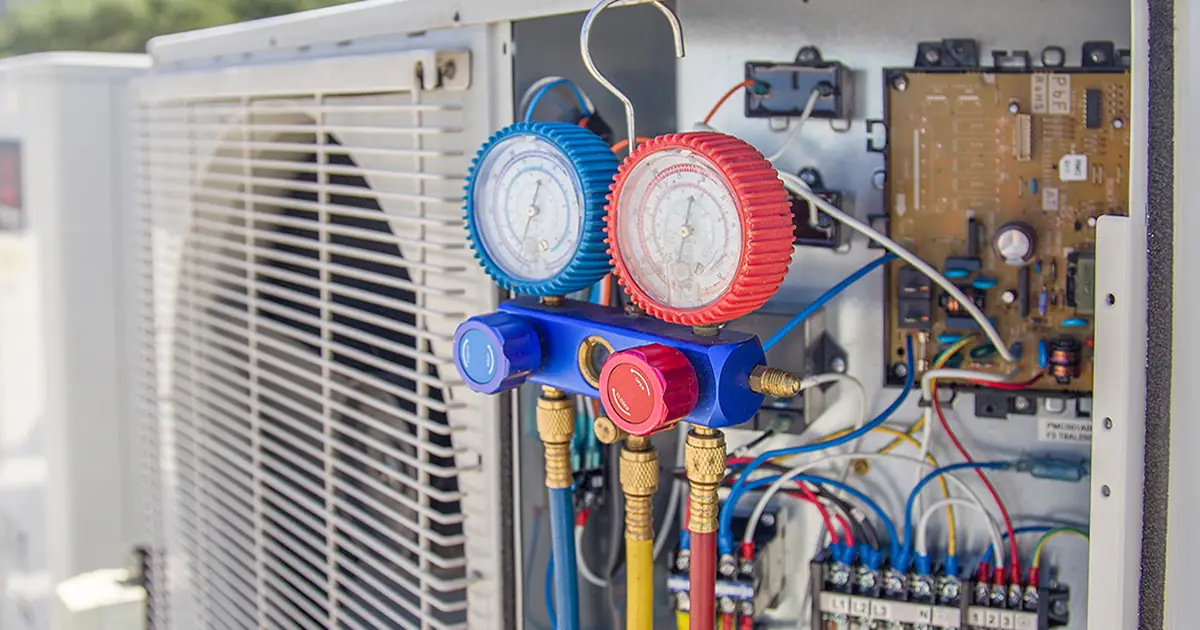
Digital Manifold Gauges: Electronic pressure meters used to charge refrigerant circuits and verify subcooling metrics.
-
FlowHood Air Balancing Instruments: Calibrated capture hoods used to measure CFM airflow rates at room registers.
-
Combustion Analyzer Test Kits: Electronic sensors used to measure carbon monoxide in gas-fired heating appliances.
-
Thermal Imaging Infrared Cameras: Diagnostic cameras used to detect air leakage paths and insulation gaps.
-
Digital Manometers: Pressure meters used to measure total external static pressure across air handlers.
-
Psychrometric Meters: Specialized instruments measuring relative humidity and dew point.
-
Refrigerant Recovery Machines: EPA-compliant units used to safely reclaim system refrigerants during service.
Risk Landscape and Failure Modes
The risk profile associated with high-end residential climate systems involves compounding technical failure modes.
The primary systemic risk is improper static pressure design. When ductwork is undersized, static pressure spikes. Consequently, this forces the blower motor to work at maximum RPM, causing premature electronic control board failure.
Secondary risks involve improper condensate management. In humid environments, cooling coils extract gallons of moisture daily. If drain lines lack proper slope or safety switches, water overflows into structural framing, causing extensive rot.
Governance, Maintenance, and Long-Term Adaptation
Operational Management and Review Protocols
Maintaining peak energy efficiency across properties requires structured maintenance cycles. Homeowners should establish formal seasonal review schedules.
Inspecting air filters monthly, clearing condensate drain traps quarterly, and scheduling professional tune-ups prior to peak seasons should be standard practice. Environmental dust gradually accumulates on indoor coils, necessitating timely professional cleaning.
Adjustment Triggers and Remediation Protocols
When mechanical defects occur, targeted interventions must follow immediately:
-
Short-Cycling Behavior: Indicated by the system turning on and off rapidly. Remediation requires checking air filter restrictions and refrigerant charge.
-
Unusual Blower Vibration: Indicated by mechanical humming from the air handler cabinet. Remediation requires inspecting blower wheel balance and tightening connections.
-
Inefficient Humidity Removal: Indicated by clammy indoor air. Remediation requires adjusting blower fan speed profiles to lower CFM rates.
Measurement, Tracking, and Evaluation
Evaluating the implementation of a residential comfort package requires balancing quantitative energy data against qualitative feedback.
Leading indicators focus on pre-installation engineering audits, including Manual J load calculations and blower-door envelope tests. Lagging indicators measure operational outcomes, such as tracking seasonal energy consumption and monitoring indoor relative humidity logs.
Documentation Examples
-
Comfort System Commissioning Dossier: Catalogs AHRI matching ratings and startup static pressure logs.
-
Preventive Maintenance Ledger: Records filter replacement dates and professional tune-up checklists.
-
Warranty Register: Documents equipment serial numbers and contractor service histories.
Common Misconceptions and Oversimplifications
Navigating the market requires dispelling persistent myths that routinely lead to improper equipment sizing.
-
Myth: Closing supply registers in unused rooms saves energy.
-
Correction: Closing registers increases static pressure, reduces system airflow, and can damage heat exchangers.
-
-
Myth: Lowering the thermostat setting makes the air conditioner cool faster.
-
Correction: Modern systems operate at fixed capacity speeds; extreme settings only cause the system to run longer.
-
-
Myth: Changing air filters once a year is sufficient.
-
Correction: High-performance filters in homes with pets often require replacement every 30 to 90 days.
-
-
Myth: All ductless mini-split systems operate with identical efficiency.
-
Correction: Efficiency varies dramatically based on compressor modulation range and low-ambient heating capability.
-
-
Myth: Indoor air is inherently cleaner than outdoor air.
-
Correction: Modern tight building envelopes trap pollutants, frequently making indoor air more polluted without proper mechanical ventilation.
-
-
Myth: Geothermal systems require zero maintenance.
-
Correction: While underground loops last for decades, above-ground mechanical components require routine servicing.
-
Ethical, Practical, and Contextual Considerations
The specification of equipment within the top rated home comfort solutions usa sector carries professional responsibilities. Utilizing high-efficiency heat pumps significantly reduces residential carbon emissions, lessening strain on municipal electrical grids. Furthermore, maintaining balanced indoor air quality directly supports long-term human respiratory health.
Architects, mechanical engineers, and homeowners hold a shared responsibility to ensure that systems adhere to high scientific standards, balancing human comfort and ecological responsibility.
Conclusion
Selecting elite residential climate control systems requires a rejection of simplistic product generalizations in favor of rigorous engineering evaluation. From analyzing inverter compressors to implementing proactive maintenance cycles, every technical detail dictates long-term asset performance. By systematically aligning comfort system specifications with regional thermal loads and air quality standards, stakeholders can achieve exceptional stability and structural resilience. True indoor environmental excellence emerges from disciplined planning and an unwavering commitment to building science.