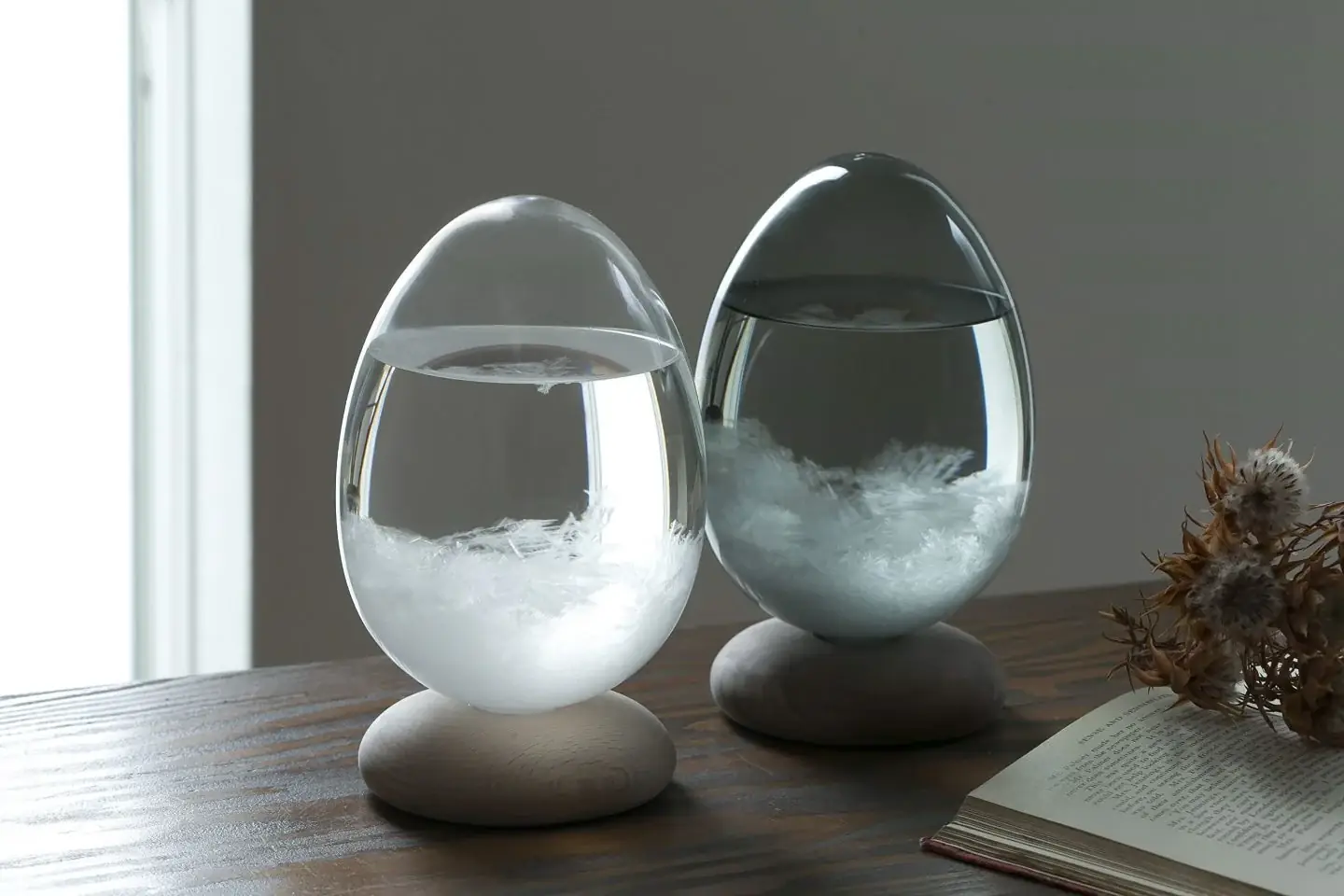
Best Storm Glass Brands USA: The Definitive Collector’s Guide
The intersection of nineteenth-century maritime experimentation and contemporary interior science has preserved a singular instrument. For instance, this instrument continues to capture public imagination: the storm glass. Originally deployed by European mariners to anticipate abrupt barometric shifts and gale winds at sea, these sealed chemical vessels rely on shifting crystal formations suspended in a solvent solution. Furthermore, they register ambient thermal and atmospheric changes. Far from serving as simple novelty paperweights, high-grade weather glasses represent a delicate synthesis of inorganic chemistry and precision hand-blown glassware.
Evaluating the domestic landscape for meteorological curiosities requires moving beyond mass-produced gift shop variations. Specifically, it requires understanding the technical pedigree behind elite manufacturing houses. When collectors, interior designers, and scientific instrument enthusiasts investigate the market, distinguishing between decorative trinkets and precision-calibrated instruments becomes paramount. Premium fabrication involves exact chemical titration, ultra-pure distilled water, high-grade ethanol, and heavy-walled borosilicate glass. Consequently, this resists micro-abrasions and internal fogging over decades of thermal cycling.
This comprehensive reference establishes an authoritative framework for evaluating, selecting, and maintaining high-end meteorological glassware. By analyzing historical manufacturing lineages, chemical kinetics, material science constraints, and curation protocols, this guide serves as a definitive resource. Therefore, it assists professionals and discerning collectors dedicated to authentic scientific artifacts.
Understanding “best storm glass brands usa”
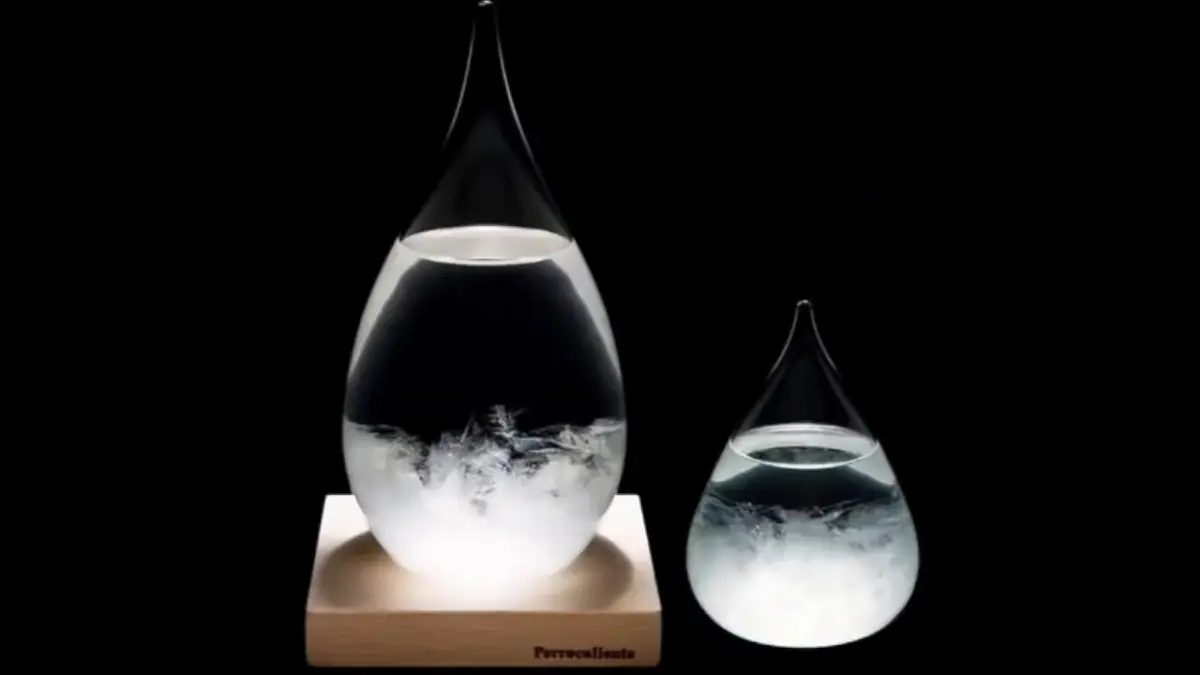
Deconstructing the Market and Terminological Ambiguity
The phrase best storm glass brands usa frequently encounters conceptual dilution across digital marketplaces. Often, mass-market importers and automated drop-shipping operations mask low-quality manufacturing behind high-gloss product imagery. True premier storm glass houses are defined by stringent chemical purity standards, artisanal hand-blown glass housing, robust custom wooden bases, and reliable customer calibration support. These heritage and specialty brands reject industrial shortcuts. As a result, each sealed vessel responds predictably to micro-fluctuations in room temperature and atmospheric pressure rather than remaining permanently inert.
Common Misunderstandings and Oversimplification Risks
A pervasive misconception among retail buyers is that storm glasses function as precise digital barometers. Specifically, people often expect them to forecast local rainfall or precise wind speeds down to the hour. Treating these analog instruments as meteorological certainties leads to profound disappointment. In reality, the internal chemical solution—traditionally composed of camphor, potassium nitrate, ammonium chloride, ethanol, and water—primarily reacts to localized thermal shifts occurring immediately around the glass boundary layer.
The Material Science of Authentic Instrumentation
Elite manufacturing demands rigorous attention to chemical stoichiometry and glass purity. If impurities contaminate the solvent or if standard soda-lime glass reacts chemically with the camphor solution over time, the interior fluid turns yellow. Consequently, this pits the inner glass walls and permanently arrests crystal development. Comprehending what distinguishes superior domestic availability requires a strict focus on annealing standards, seal integrity, and chemical grade purity.
Deep Contextual Background
Historical Evolution of Nineteenth-Century Meteorology
The developmental trajectory of the storm glass is inextricably linked to maritime history and the expansion of global trade fleets during the Victorian era. As pioneered and popularized by Admiral Robert FitzRoy during his landmark meteorological expeditions aboard the HMS Beagle, weather glasses served as vital auxiliary tools for ship captains. FitzRoy meticulously documented how crystal formations mutated from clear liquid to feathery stars, correlating these shifts with incoming gales and barometric drops.
As commercial glassblowing techniques matured through the industrial revolution, these instruments transitioned from utilitarian shipboard equipment into refined parlor accessories. American importers sourced these delicate scientific novelties from European artisan guilds. Later, domestic specialty glass houses began crafting localized adaptations featuring native hardwoods and reinforced mounting brackets tailored to American interior aesthetics.
Industrial Shifts and Modern Rebirth
The twentieth century witnessed a decline in analog meteorological instruments as electronic barometers, weather radios, and satellite meteorology took precedence. However, a twenty-first-century renaissance driven by dark academia aesthetics and a renewed appreciation for tangible science decor has revitalized artisan production. Contemporary makers combine historic FitzRoy formulations with modern glass-forming techniques. Therefore, they elevate the traditional weather predictor into a sophisticated statement piece.
Conceptual Frameworks and Mental Models
Navigating the acquisition and display of fine meteorological instruments requires structured mental models that bridge physics, chemistry, and environmental science.
-
The Thermal-Boundary Layer Model: This model emphasizes that a storm glass reacts primarily to the immediate temperature gradients of its surrounding indoor environment rather than outdoor atmospheric pressure.
-
The Stoichiometric Equilibrium Paradigm: An analytical framework dictating that crystal precipitation depends entirely on the precise chemical balance of camphor, salts, and alcohol. Furthermore, any micro-leakage ruins this delicate equilibrium.
-
The Kinetic-Visual Correlation Matrix: This model guides the observer in interpreting crystal morphologies as relative indicators of thermal and barometric transition rather than absolute forecasts.
-
The Material Purity Threshold: A construct evaluating how trace metallic contaminants in low-grade glass or impure water accelerate chemical degradation and premature yellowing.
Key Categories or Variations of Weather Glasses
Overview of Elite Structural Types
High-end meteorological glassware encompasses distinct design typologies, each balancing structural stability, aesthetic presentation, and thermal sensitivity differently.
-
Classic FitzRoy Teardrop Vessels: Traditional pear-shaped blown glass bottles mounted on turned hardwood cradles, offering optimal vertical surface area for crystal movement.
-
Spherical Globe Barometers: Full spherical glass vessels resting on metal or wooden ring stands, providing 360-degree visibility of crystalline precipitation.
-
Geometrical Diamond and Cube Configurations: Contemporary faceted glass containers that refract ambient room light through shifting interior crystal networks.
-
Engineered Multi-Station Weather Consoles: Integrated desk units combining a storm glass vessel alongside a brass-trimmed aneroid barometer and Galileo thermometer.
-
Custom Figural and Art-Glass Enclosures: Hand-blown sculptural glass forms custom-calibrated for specialized collector displays.
-
Wall-Mounted Backplate Assemblies: Heavy glass tubes housed in brass or mahogany wall brackets designed to maximize ambient air exposure in hallways.
| Weather Glass Category | Primary Aesthetic Advantage | Core Operational Constraint | Ideal Placement Context |
| FitzRoy Teardrop Vessels | Historic authenticity, elegant vertical crystal drift | Requires stable base placement to prevent tipping | Executive desks, library tables, and study mantels |
| Spherical Globe Barometers | 360-degree optical clarity, modern visual weight | High lens effect requires protection from direct sunlight | Well-lit living room accent tables and open-plan offices |
| Faceted Diamond Formats | Dynamic light refraction across crystal structures | Complex internal angles can obscure delicate crystal details | Contemporary minimalist interiors and modern study spaces |
| Combined Weather Stations | Comprehensive analog data display (barometer, thermometer) | Larger footprint requires dedicated permanent display space | Traditional home offices, coastal captains’ quarters |
Decision Logic for Typology Selection
Choosing the appropriate storm glass category requires balancing interior spatial dynamics against environmental exposure. For instance, while spherical globes offer striking visual symmetry, their curved glass acts as a magnifying lens. Consequently, they are vulnerable to direct solar radiation that overheats the internal solution. Conversely, classic teardrop vessels provide balanced thermal dissipation and traditional aesthetic gravity suitable for executive office environments.
Detailed Real-World Scenarios
A : Climate-Controlled Executive Office in New York City
A corporate boardroom features constant year-round climate control via HVAC systems, maintaining an unvarying indoor temperature of seventy-two degrees Fahrenheit.
-
Constraints: Minimal ambient temperature fluctuation reduces active crystal formation, leading to static, unchanging liquid states.
-
Decision Points: Selecting a FitzRoy teardrop vessel placed near an operable window to expose the glass to minor, natural thermal drift.
-
Failure Modes & Second-Order Effects: Over-isolation in hyper-stable HVAC environments causes the instrument to appear permanently dormant. Therefore, owners incorrectly assume the chemical solution has failed.
B : Sunlit Coastal Sunroom in Palm Beach, Florida
A seaside residence showcases a decorative spherical storm glass on a south-facing windowsill overlooking the Atlantic Ocean.
-
Constraints: Intense ultraviolet exposure and extreme solar heating through unshaded double-pane glass panels.
-
Decision Points: Relocating the vessel away from direct window glare to an interior bookshelf where ambient room temperature changes govern crystal growth safely.
-
Failure Modes & Second-Order Effects: Direct solar radiation superheats the internal camphor and alcohol mixture. Consequently, this breaks down chemical bonds and turns the solution permanently yellow.
C : Rustic Mountain Cabin in Aspen, Colorado
An alpine retreat experiences severe nocturnal temperature drops when wood stoves burn down overnight, creating rapid indoor temperature swings.
-
Constraints: Extreme thermal shock cycles that stress both the borosilicate glass seal and the internal salt precipitation rate.
-
Decision Points: Investing in a heavy-walled, artisan-blown glass vessel featuring a secure, hermetically sealed ground-glass stopper or epoxy resin cap.
-
Failure Modes & Second-Order Effects: Rapid thermal contraction in substandard mass-market imports compromises glue seals, resulting in slow alcohol evaporation and total crystallization lockup.
Planning, Cost, and Resource Dynamics
Financial Architecture of Meteorological Curation
Acquiring premium meteorological instruments involves layered cost structures spanning raw material purity, artisanal glassblowing labor, custom woodworking, and quality control calibration.
Direct costs encompass high-purity borosilicate or lead-free crystal glass, analytical-grade camphor, refined ethanol, and exotic hardwood bases. Indirect costs include protective multi-layer packaging, drop-shipping logistics, and brand warranty administration. Treating storm glasses as low-cost disposable novelties is a frequent consumer misstep.
Opportunity costs manifest when buyers select ultra-cheap imported novelties that suffer from chemical precipitation failure or structural leaks within months. Premium brands command higher initial capital outlays but deliver decades of stable visual performance.
| Expense Category | Budget Impact Driver | Cost Variability Factors | Long-Term Financial Implication |
| Artisanal Hand-Blown Glassware | High | Glass composition (borosilicate vs. soda-lime), wall thickness | Prevents micro-scratching, internal fogging, and structural cracking |
| Analytical Chemical Refinement | Moderate | Purity of camphor, elimination of trace metallic ions | Prevents permanent fluid discoloration and solution degradation |
| Custom Hardwood Base & Mounting | Moderate | Wood species (walnut, mahogany, oak), precision CNC turning | Ensures structural stability and protects against base warping |
| Packaging & Transit Insurance | High | Shock-absorbent foam molding, multi-box containment | Eliminates catastrophic transit breakage of delicate glass vessels |
Tools, Strategies, and Support Systems
Successfully curating and maintaining high-end meteorological instruments requires specialized care accessories, environmental monitoring tools, and handling protocols.
-
Digital Laser Thermometers: Non-contact infrared temperature guns used to monitor precise surface temperatures near display locations and avoid solar hotspots.
-
Microfiber Optical Cleaning Cloths: Specialized lint-free cloths utilized to polish exterior glass surfaces without introducing scratching or static charge.
-
Felt-Lined Display Cradles: Custom wooden or leather-lined ring mounts that isolate the glass vessel from desk vibrations and structural impacts.
-
UV-Filtered Display Cases: Specialized museum-grade acrylic or glass vitrines designed to shield antique or sensitive instruments from degrading ultraviolet rays.
-
Precision Calibration Reference Charts: Laminated archival cards detailing historical FitzRoy crystal interpretations to assist owners in accurately reading daily formations.
-
Desiccant Storage Pouches: Moisture-absorbing packets utilized during seasonal storage to protect wooden bases and metal hardware from humidity warping.
-
White Cotton Handling Gloves: Professional-grade gloves used during repositioning to prevent skin oils from etching or smudging delicate hand-blown crystal glass.
Risk Landscape and Failure Modes
The risk profile associated with meteorological glassware involves compounding physical and chemical vulnerabilities that can permanently ruin an instrument.
The primary systemic risk is micro-evaporation caused by imperfect seal integrity. Because the solvent mixture relies heavily on volatile alcohol, any microscopic fissure in the sealant or stopper allows alcohol molecules to escape over time. As the alcohol level drops, the chemical ratio shifts catastrophically. Consequently, this forces the camphor into a permanent, unyielding solid block that no longer responds to ambient temperature changes.
Secondary risks involve chemical discoloration driven by ultraviolet light and metallic impurities. Exposure to direct sunlight breaks down the camphor structure, yellowing the fluid and coating the inner glass walls with an opaque, crusty residue. Furthermore, mechanical impact on thin-walled soda-lime glass vessels results in sudden structural rupture, releasing volatile chemical solvents.
Governance, Maintenance, and Long-Term Adaptation
Operational Management and Review Protocols
Maintaining the visual brilliance and functional responsiveness of fine weather glasses requires structured governance frameworks and periodic environmental assessments. Collectors and estate managers should establish formal review schedules.
Inspecting display locations for solar alignment, checking wood base stability, and wiping exterior dust accumulation should occur monthly. Because indoor heating and cooling systems shift seasonally, relocating instruments to optimize passive thermal exposure ensures continuous crystal activity throughout the year.
Adjustment Triggers and Remediation Protocols
When specific performance regressions or physical defects occur, targeted interventions must follow immediately:
-
Permanent Solidification (Total Crystallization): Indicated by a rigid, unchanging solid block of camphor filling the lower half of the vessel. Remediation requires controlled warm-water immersion followed by slow, ambient cool-down to reset the chemical matrix.
-
Fluid Yellowing and Clouding: Indicated by amber discoloration of the liquid solvent. Remediation is generally impossible due to chemical breakdown; replacement of the sealed vessel by an artisan maker is required.
-
Base Wibbling or Loosening: Indicated by structural play between the glass bottom and its wooden cradle. Remediation requires tightening mounting screws or replacing degraded cork cushioning strips.
Measurement, Tracking, and Evaluation
Evaluating the successful curation of a high-end storm glass requires balancing qualitative visual appreciation against environmental stability tracking.
Leading indicators focus on pre-display environmental assessment. This includes verifying that display surfaces are free from direct sunlight, measuring ambient temperature variance, and ensuring stable desk mounting. Lagging indicators measure long-term instrument health. Therefore, they involve tracking crystal responsiveness across seasonal weather fronts and verifying zero solvent evaporation over multi-year ownership cycles.
Documentation Examples
To maintain rigorous accountability, collectors and curators utilize standardized recording templates:
-
Instrument Provenance Dossier: Catalogs manufacturer certification, glass batch origin, chemical formulation date, and acquisition cost.
-
Environmental Logbook: Records seasonal placement shifts, peak room temperature extremes, and crystal morphology observations during major storm events.
-
Maintenance and Repair Ledger: Documents dates of warm-water recalibration resets, exterior polishing sessions, and base inspection sign-offs.
Common Misconceptions and Oversimplifications
Navigating the market for meteorological curiosities requires dispelling persistent myths that routinely lead to unrealistic performance expectations and improper instrument care.
-
Myth: Storm glasses can accurately predict precise local rainfall amounts and barometric lows days in advance.
-
Correction: Storm glasses respond primarily to immediate local thermal fluctuations and subtle pressure shifts within their immediate room boundary, acting as analog reflections rather than meteorological radar.
-
-
Myth: Placing a storm glass on a sunny windowsill enhances its forecasting accuracy by warming the liquid.
-
Correction: Direct solar radiation superheats the vessel, destroys the delicate chemical equilibrium, yellows the solvent, and permanently dissolves active crystal structures.
-
-
Myth: All storm glass solutions last forever without maintenance or resetting.
-
Correction: Over time, natural thermal cycling can cause minor crystal clumping, requiring occasional warm-water dissolution and resetting to restore full dynamic sensitivity.
-
-
Myth: Mass-market novelty glass bottles perform identically to artisan-crafted scientific instruments.
-
Correction: Cheap imports utilize impure water, substandard camphor, and thin soda-lime glass that scratches easily and leaks volatile solvents within months.
-
-
Myth: Shaking a storm glass vigorously accelerates its ability to forecast incoming weather.
-
Correction: Vigorous agitation disrupts delicate crystal nucleation sites and can fracture delicate internal glass formations or stress the primary hermetic seal.
-
-
Myth: The liquid inside a storm glass is toxic and hazardous to handle under normal conditions.
-
Correction: While containing camphor and ammonium chloride, the sealed glass container prevents direct contact; standard handling requires no special hazmat precautions unless the glass breaches.
-
Ethical, Practical, and Contextual Considerations
The acquisition and display of fine meteorological instruments carry responsibilities that extend beyond interior decoration and personal curiosity. Preserving traditional glassblowing arts and supporting domestic artisan workshops sustains specialized craftsmanship that faces constant pressure from mass-market industrial automation. Furthermore, displaying tactile analog instruments in modern digital environments encourages a deeper, more mindful engagement with natural atmospheric patterns, fostering ecological literacy.
Curators, collectors, and interior designers hold a shared responsibility to ensure that historical and scientific artifacts are sourced ethically, maintained with technical precision, and appreciated within appropriate environmental contexts. Consequently, this balances aesthetic appeal with material preservation.
Conclusion
Selecting and maintaining high-end meteorological glassware across diverse American interior environments requires a rejection of simplistic product generalizations in favor of rigorous material evaluation. From analyzing borosilicate glass clarity and chemical stoichiometry to implementing proper thermal placement and maintenance resets, every technical detail dictates long-term instrument performance and aesthetic longevity. By systematically aligning weather glass curation with appropriate indoor microclimates and environmental controls, collectors can achieve enduring visual fascination and reliable analog responsiveness. True instrumental heritage emerges from disciplined planning, certified material selection, and an unwavering commitment to scientific craftsmanship.