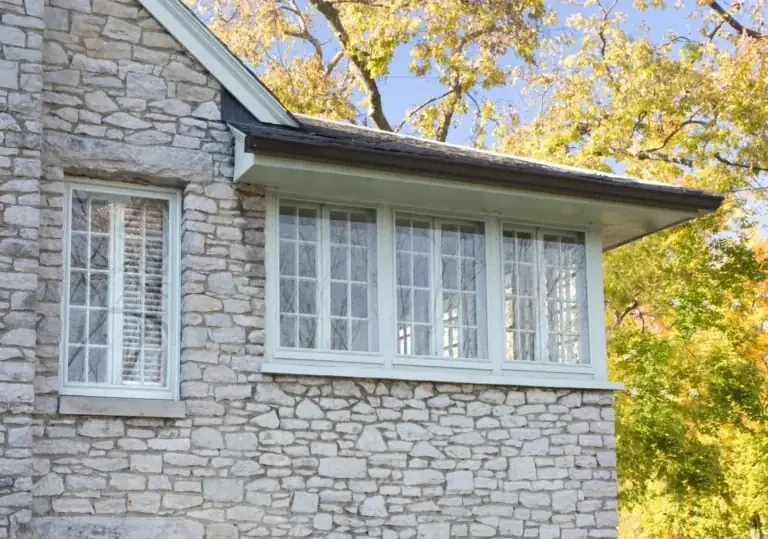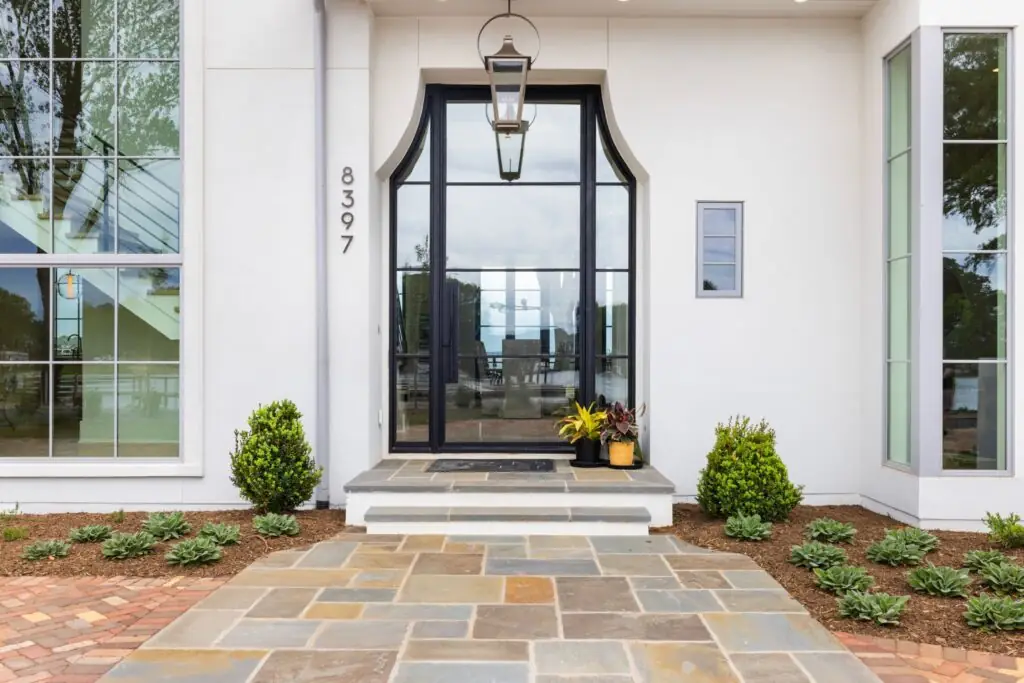
Best Exterior Glass United States: Definitive Guide
The architectural envelope of modern buildings across the North American continent relies fundamentally on the performance, composition, and structural integrity of its exterior glazing. From the freezing urban corridors of the Northeast to the high-UV, hurricane-prone coastlines of the Southeast, exterior glass serves as the primary barrier against environmental degradation, thermal transfer, and acoustic intrusion. Architects, facade engineers, and property developers managing complex commercial towers and luxury estates must master fenestration physics to ensure long-term building resilience.
Evaluating high-performance glass installations involves navigating a complex web of building codes, energy efficiency mandates, and structural engineering constraints. Specifiers frequently struggle to identify the best exterior glass united states projects require because optimal performance depends entirely on localized microclimates and specific structural typologies. A laminated low-emissivity glass assembly engineered for optimal solar heat gain reduction in a desert climate will fail to satisfy thermal retention requirements in sub-zero northern latitudes. Therefore, achieving envelope excellence demands rigorous contextual evaluation rather than reliance on generalized product specifications.
The following analysis provides an exhaustive framework for selecting, engineering, and maintaining premium exterior glass systems across diverse American environments. By examining historical precedents, thermodynamic principles, and real-world failure modes, this reference establishes an authoritative guide for achieving long-term energy efficiency, structural safety, and architectural integrity.
Understanding “best exterior glass united states”
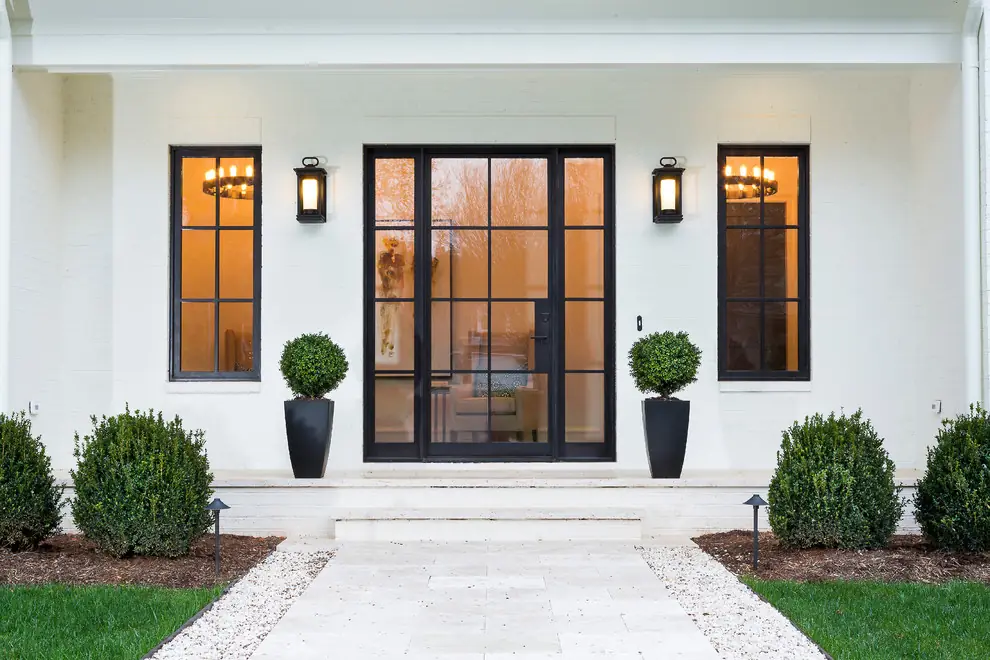
Approaching fenestration engineering requires a clear departure from standard consumer assumptions. When investigating the best exterior glass united states markets have to offer, specifiers frequently encounter the misconception that a single glass formulation can serve as a universal solution. In reality, exterior glass performance is strictly contextual. A high-performance triple-glazed unit optimized for a high-rise office tower in Chicago may prove entirely inappropriate for a historic restoration project in Charleston or a coastal hurricane-resistant residence in Miami.
A frequent oversimplification involves treating all glass coatings and interlayers as interchangeable layers. Consumers often assume that maximizing visible light transmission automatically solves thermal and lighting needs. However, selective pyrolytic and sputtered coatings are engineered to allow specific daylight wavelengths while reflecting harmful infrared and ultraviolet radiation. Furthermore, failing to account for thermal stress fracture risks or edge-seal degradation can undermine the efficiency of advanced glass assemblies. True mastery of the best exterior glass united states standards demands an analytical appreciation of these complex thermodynamic and optical interactions.
Another critical friction point centers on structural wind-load resistance and safety compliance. Regional building codes enforce strict impact-resistance requirements in coastal hurricane zones and seismic safety regulations along western fault lines. Consequently, specifiers must balance optical clarity and thermal metrics against heavy structural engineering mandates, ensuring that exterior glass installations withstand extreme barometric pressures without compromising safety.
Deep Contextual Background
The evolution of exterior glass in American architecture mirrors the broader history of industrial manufacturing, structural engineering, and energy economics. In early American construction, glass production was limited to small, hand-blown lites that offered minimal structural strength or thermal insulation. Buildings relied heavily on massive masonry walls, with windows kept intentionally small to minimize interior heat loss during harsh winters.
The mid-twentieth century industrial boom transformed exterior glass from a fragile infill material into a primary structural element of the building envelope. The widespread adoption of float glass manufacturing, coupled with the rise of modern steel and aluminum curtain wall systems, enabled the iconic glass skyscrapers defining twentieth-century urban skylines. However, these early commercial glass walls acted as massive thermal conductors, driving up energy consumption. The energy crises of the 1970s catalyzed a revolutionary shift, introducing insulated glass units (IGUs), reflective coatings, and early energy-efficiency building codes.
In contemporary architectural practice, the search for the best exterior glass united states projects demand has accelerated due to stringent municipal carbon-neutrality mandates and rising energy costs. Modern engineering brings forth vacuum-insulated glass, large-format laminated safety lites, and dynamic electrochromic glazings that alter solar transmittance in real time. This technological progression underscores the transition from simple transparent barriers to sophisticated, active building envelope components.
Conceptual Frameworks and Mental Models
Controlling environmental stress across exterior glass assemblies requires structured mental frameworks that translate building physics into practical design strategies.
-
The Solar Heat Gain and Visible Transmittance Ratio: This framework analyzes how glass assemblies balance natural daylight intake with the rejection of unwanted solar thermal radiation.
-
The Thermal Stress and Edge-Crack Matrix: This mental model evaluates temperature differentials across sun-exposed glass lites, guiding the prediction and prevention of thermal fracture failures.
-
The Psychrometric Interstitial Dew Point Gradient: This analytical model tracks vapor pressures across multi-pane insulated units, identifying conditions where internal condensation might compromise optical clarity.
-
The Structural Wind-Pressure Vector Theory: This framework calculates lateral wind loads and dynamic gust pressures across large glass facades, determining required glass thickness and interlayer rigidity.
These conceptual models prevent costly design errors, ensuring that exterior glass interventions target the precise physical vectors responsible for energy loss and structural vulnerability.
Key Categories or Variations of Exterior Glass
Exterior glass systems available across the domestic market fall into distinct technical categories, each balancing structural strength, thermal performance, and architectural compatibility.
-
Low-Emissivity (Low-E) Coated Insulating Glass Units (IGUs): Multi-pane assemblies featuring microscopic metallic coatings that reflect radiant heat while maintaining high visible light transmission.
-
Laminated Impact-Resistant Safety Glass: Assemblies comprising multiple glass lites bonded with tough polyvinyl butyral (PVB) or ionoplast interlayers designed to resist hurricane debris and forced entry.
-
Heat-Strengthened and Fully Tempered Glass: Thermally treated glass lites offering enhanced mechanical strength and controlled thermal fracture patterns for high-wind environments.
-
Structural Spandrel Glass: Opaque or back-painted glass panels used on commercial curtain walls to conceal floor slabs, mechanical equipment, and structural framing.
-
Electrochromic Dynamic Glazing: Intelligent glass assemblies that tint electronically in response to solar radiation levels, eliminating the need for mechanical window shades.
-
Vacuum-Insulated Glass (VIG) Facade Panels: Ultra-thin multi-pane units featuring a hermetically sealed vacuum gap that virtually eliminates conductive and convective heat transfer.
| Exterior Glass Category | Primary Structural Advantage | Thermal / Optical Performance | Primary Technical Limitation |
| Low-E Insulated Units | Excellent multi-pane thermal insulation | High visible transmittance with low U-factor | Edge seals vulnerable to long-term moisture degradation |
| Laminated Impact Glass | Superior windborne debris and blast resistance | High safety performance and acoustic dampening | Increased unit weight requiring robust framing support |
| Fully Tempered Glass | High resistance to bending and mechanical impact | Standard optical clarity; shatters into small granules | Susceptible to spontaneous breakage from nickel sulfide inclusions |
| Spandrel Glass Panels | Conceals structural floor assemblies cleanly | Completely opaque with matched exterior aesthetics | Prone to thermal stress cracking if improperly ventilated |
| Electrochromic Glazing | Dynamic solar control and glare reduction | Adjustable solar heat gain coefficient (SHGC) | High initial capital cost and electrical wiring requirements |
Decision Logic for Exterior Glass Selection
When determining the optimal glass specification for a major building project, design professionals evaluate governing environmental and structural constraints. If a commercial project is located in a high-velocity hurricane zone along the Gulf Coast, specifying laminated impact-resistant safety glass is mandatory. Conversely, if an ultra-luxury residential tower in a temperate climate prioritizes panoramic views and maximum thermal insulation, high-performance low-E vacuum-insulated glass units represent the appropriate engineering choice.
Detailed Real-World Scenarios
Examining concrete operational environments illustrates how exterior glass systems perform under extreme architectural constraints.
A : Commercial High-Rise Tower in Chicago
A commercial skyscraper overlooking Lake Michigan experienced severe winter wind chill and high radiant heat loss through expansive glass curtain walls. The architectural engineering team specified triple-glazed insulated units featuring dual low-E coatings and argon gas fills. This upgrade stabilized interior perimeter temperatures, reduced HVAC heating loads significantly, and eliminated tenant thermal comfort complaints during sub-zero winter weather.
B : Coastal Institutional Facility in Miami
A civic facility located directly on the Biscayne Bay waterfront faced strict municipal hurricane building codes requiring resistance to high-velocity windborne debris. The design team integrated heavy laminated impact glass units featuring structural ionoplast interlayers within reinforced aluminum framing. These assemblies successfully withstood severe tropical storm wind pressures while maintaining uncompromised optical clarity and natural daylighting.
C : Historic Adaptive Reuse Project in Boston
A nineteenth-century brick commercial building undergoing conversion into luxury loft apartments required exterior envelope upgrades that respected strict historic landmark preservation rules. The architects installed custom slim-profile insulated glass units matching historic muntin profiles. This intervention achieved modern energy efficiency compliance without altering the historic streetscape facade.
Planning, Cost, and Resource Dynamics
Executing a comprehensive exterior glass procurement and installation project requires structured resource allocation across raw material manufacturing, engineering design, and specialized installation labor.
Direct costs encompass high-performance glass substrates, metallic sputtering coatings, structural interlayers, and heavy-duty framing gaskets. Indirect costs involve structural engineering wind-load calculations, thermal stress analysis modeling, specialized crane and rigging rentals for large-format glass handling, and rigorous quality assurance testing. Treating exterior glass procurement as a standard off-the-shelf commodity purchase is a critical budgeting error; custom fabrication tolerances and heavy glass weights drive labor expenses substantially higher than standard retail estimates.
Opportunity costs manifest when developers choose substandard glazing to minimize initial capital outlays. Inefficient exterior glass forces primary HVAC mechanical systems to work continuously, accelerating equipment wear and driving up long-term operational energy expenditures.
| Expense Category | Budget Impact Driver | Cost Variability Factors | Long-Term Financial Implication |
| Low-E Insulated Glass Units | Moderate-High | Pane count, gas fill type, custom lite dimensions | Rapid payback through reduced commercial heating and cooling bills |
| Laminated Impact-Resistant Lites | High | Interlayer thickness, bomb-blast or hurricane rating | Provides essential catastrophic storm protection and acoustic quiet |
| Electrochromic Dynamic Glazing | Exceptional | Control systems, wiring complexity, panel sizing | Lowers peak cooling electrical demand and eliminates blind maintenance |
| Specialized Installation Labor | High | Building height, crane accessibility, traffic permits | Ensures flawless structural anchoring and waterproof perimeter seals |
Tools, Strategies, and Support Systems
Deploying exterior glass effectively requires specialized diagnostic instruments, precision installation hardware, and rigorous technical standards.
-
Laser Optical Measuring Systems: High-precision digital devices used to verify structural opening dimensions down to a fraction of a millimeter prior to glass fabrication.
-
Infrared Thermography Cameras: Advanced diagnostic tools used post-installation to verify thermal envelope continuity and identify localized thermal bridging.
-
Digital Spectrophotometers: Optical instruments used in quality control to measure visible light transmission and solar reflectance across glass lites.
-
Vacuum Cup Glazing Robots: Heavy-duty mechanical lifting equipment used on construction sites to maneuver large-format glass panes safely into place.
-
Structural Silicone Sealants: High-grade elastomeric compounds used to establish continuous, waterproof structural glazing joints.
-
ASTM and NFRC Testing Standards: Rigorous industry protocols governing air infiltration, water penetration, wind-load resistance, and thermal performance.
-
Non-Destructive Moisture Meters: Handheld diagnostic tools used to inspect surrounding framing substrates for hidden water intrusion.
-
Thermal Stress Analysis Software: Specialized engineering applications used to model solar absorption rates and prevent thermal breakage.
Risk Landscape and Failure Modes
The risk landscape associated with exterior glass involves thermal stress cracking, seal failure, moisture entrapment, and structural wind-load damage. These risks frequently compound through interconnected failure chains.
The primary systemic risk is insulated glass unit (IGU) seal failure and internal condensation. When secondary perimeter sealants degrade due to ultraviolet exposure and thermal cycling, ambient moisture vapor breaches the hermetic cavity. This moisture condenses on the interior glass surfaces, permanently ruining optical clarity and destroying thermal insulation properties. Mitigating this risk requires specifying high-durability structural silicone secondary seals and ensuring strict factory quality control during IGU fabrication.
Secondary risks involve spontaneous thermal fracture caused by uneven solar absorption. When interior window shades sit too close to tinted or coated glass lites, localized heat buildup creates extreme thermal differentials between the hot center and the cooler edge-shaded framing. This stress can lead to sudden glass breakage. Managing this risk requires conducting rigorous thermal stress calculations during the initial design phase.
Governance, Maintenance, and Long-Term Adaptation
Maintaining long-term performance and pristine architectural aesthetics across exterior glass systems requires structured governance frameworks, scheduled inspection protocols, and proactive maintenance cycles.
Facility managers and building owners should establish formal review schedules, inspecting structural sealant joints, perimeter gaskets, and framing weep systems biannually. Elastomeric sealants degrade under persistent ultraviolet radiation and extreme thermal expansion, losing elasticity and allowing water infiltration.
Adjustment Triggers and Remediation Protocols
When specific performance regressions occur, targeted interventions must follow immediately:
-
Sealant Delamination: Indicated by cracking or separation in structural silicone glazing joints. Remediation requires cutting out failing sealant and reapplying fresh elastomeric compound.
-
Internal Condensation: Indicated by fogging or moisture droplets trapped inside an insulated glass unit. Remediation requires complete factory replacement of the compromised IGU lite.
-
Weep Hole Blockage: Indicated by water pooling in window sill tracks during heavy rainstorms. Remediation requires clearing accumulated debris from drainage paths immediately.
Maintaining a comprehensive digital logbook tracking inspection dates, component replacements, and maintenance histories ensures long-term asset accountability and envelope health.
Measurement, Tracking, and Evaluation
Evaluating the success of exterior glass installations requires balancing quantitative energy and structural performance data against qualitative occupant comfort feedback.
Leading indicators focus on process compliance: verifying that shop drawings match structural wind-load calculations, ensuring factory seal tests meet ASTM standards, and confirming perimeter seal continuity during installation. Lagging indicators measure operational outcomes: tracking reductions in commercial utility energy consumption, monitoring tenant comfort reports regarding glare and temperature stability, and evaluating post-installation infrared audit scans.
Documentation Examples
To maintain rigorous accountability, property management and engineering teams utilize standardized recording templates:
-
Facade Commissioning Log: Catalogs glass pane dimensions, coating specifications, structural certifications, and installation sign-offs for every building elevation.
-
Seasonal Maintenance Schedule: Records inspection dates, sealant condition assessments, and facade washing cycles.
-
Thermal and Acoustic Audit Report: Summarizes pre- and post-installation energy efficiency gains and decibel reduction findings.
Common Misconceptions and Oversimplifications
Navigating the market for exterior glass requires dispelling persistent myths that routinely lead to poor product selection and building damage.
-
Myth: Any heavy glass pane is automatically impact-resistant and safe for hurricane zones.
-
Correction: Standard fully tempered glass shatters easily under high-velocity windborne debris; true impact resistance requires certified laminated assemblies.
-
-
Myth: Tinted glass alone provides adequate solar heat reduction without needing specialized Low-E coatings.
-
Correction: Tinted glass absorbs solar heat rather than reflecting it, which can increase thermal stress cracking risks and radiate heat inward.
-
-
Myth: Insulated glass units last indefinitely without requiring seal maintenance.
-
Correction: Perimeter sealants have a finite service life and degrade under UV exposure, eventually leading to seal failure and internal fogging.
-
-
Myth: Thicker glass always provides superior acoustic insulation across all frequency bands.
-
Correction: Acoustic performance depends heavily on asymmetric glass thicknesses and laminated viscoelastic interlayers rather than bulk thickness alone.
-
-
Myth: Cleaning exterior glass with harsh chemical solvents has no effect on framing seals.
-
Correction: Abrasive chemicals and harsh solvents can degrade structural silicone sealants and organic frame coatings, causing premature joint failure.
-
-
Myth: Electrochromic glass eliminates the need for any structural framing coordination.
-
Correction: Dynamic glazing requires complex electrical wiring channels integrated directly into the curtain wall framing during initial fabrication.
-
Ethical, Practical, and Contextual Considerations
The selection and installation of building envelope glazing carry professional responsibilities that extend far beyond financial accounting. Improving energy efficiency through advanced exterior glass assemblies significantly reduces carbon emissions associated with commercial and residential building operations, supporting broader environmental sustainability goals. Furthermore, maximizing natural daylight while controlling glare directly impacts the health, cognitive performance, and well-being of building occupants.
Architects, facade engineers, and property managers hold a profound duty of care to ensure that exterior glass installations enhance structural safety, indoor environmental quality, and thermal resilience without compromising architectural integrity or public safety.
Conclusion
Selecting and integrating exterior glass across American architectural archetypes requires a rejection of simplistic product generalizations in favor of rigorous building science. From analyzing solar heat gain coefficients and vapor pressure gradients to implementing robust structural silicone joints and maintenance schedules, every technical detail dictates long-term envelope resilience. By systematically aligning glass capabilities with specific regional climate stresses and building code mandates, property owners can achieve exceptional energy efficiency, superior acoustic comfort, and durable structural protection. True architectural longevity emerges from disciplined engineering, careful material selection, and an unwavering commitment to quality.