Discover the best glass manufacturers united states industrial network, learn how to select high-performance architectural glass, and master envelope engineering.
The industrial landscape of American flat glass production and architectural fabrication forms the structural backbone of modern commercial and residential construction. As building codes demand stricter energy efficiency, enhanced structural resilience, and dynamic environmental control, the requirements placed upon primary float producers and value-added fabricators have evolved significantly. Furthermore, windows, curtain walls, and structural glass assemblies are no longer passive transparent barriers. Instead, they operate as complex thermal, acoustic, and optical filters engineered to regulate interior microclimates while withstanding severe regional weather events.
Evaluating the domestic glass manufacturing sector requires navigating a dense matrix of primary float glass production, secondary architectural fabrication, and specialty material science. Industry participants range from massive multinational raw-material producers operating continuous molten glass ribbon lines to localized fabricators specializing in custom tempering, laminating, and digital ceramic printing. Additionally, stakeholders attempting to source or specify high-performance glazing often confront a complex marketplace. This marketplace is characterized by shifting supply chains, rigorous environmental compliance mandates, and rapidly advancing coating technologies. Consequently, understanding the structural hierarchy of domestic manufacturing demands deep technical analysis rather than reliance on brand reputation alone.
The following analysis provides an exhaustive framework for examining, selecting, and evaluating the industrial capabilities that define domestic glass production. By exploring manufacturing physics, supply chain dynamics, and real-world operational challenges, this reference establishes an authoritative guide for architects, developers, and engineers navigating the contemporary building envelope sector.
Understanding Production Hierarchy
Deconstructing Production Hierarchy Assumptions
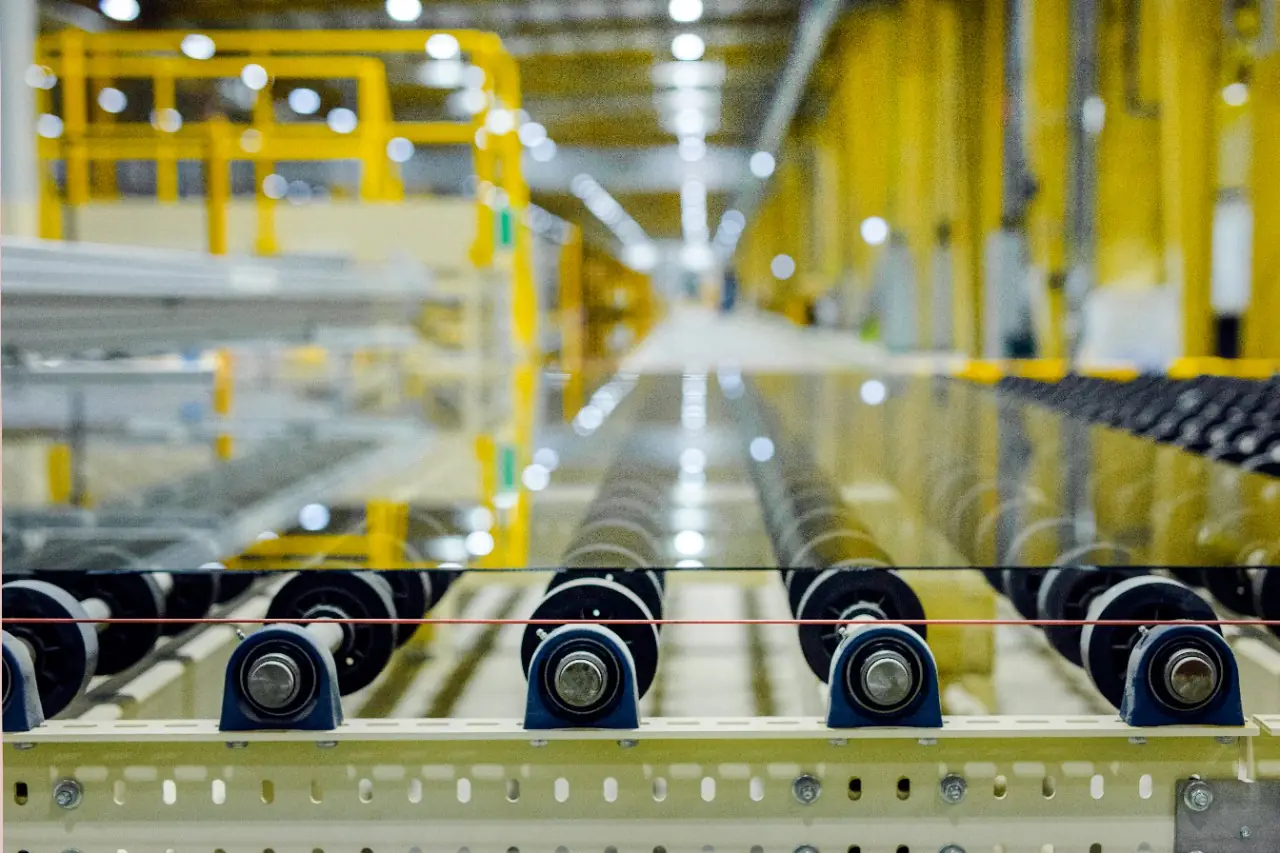
Evaluating the top tier of domestic glass production requires distinguishing between primary float glass manufacturing and secondary architectural fabrication. When stakeholders investigate the best glass manufacturers united states markets feature, they frequently conflate raw glass producers with custom fabricators. Primary manufacturers operate capital-intensive float lines. Specifically, they melt silica sand, soda ash, and limestone at ultra-high temperatures to produce continuous ribbons of flat glass. Conversely, fabricators take raw float stock and apply low-emissivity pyrolytic or magnetron sputter vacuum deposition coatings. Furthermore, they laminate layers for impact safety or assemble insulated glass units.
The Complexity of Material Science and Logistics
A frequent oversimplification involves treating glass as a uniform commodity item that can be sourced interchangeably based solely on unit price. In reality, thermal performance metrics, optical clarity, and solar heat gain coefficients vary dramatically across different manufacturing plants. Moreover, because flat glass is heavy, fragile, and expensive to transport over long overland distances, regional supply chain proximity heavily dictates project feasibility. True mastery of what governs the operations of the best glass manufacturers united states industrial base demands an analytical appreciation of batch chemistry, furnace thermodynamics, and logistical radius constraints.
Regulatory and Performance Friction Points
Another critical friction point centers on the tension between aggressive national energy conservation targets and local building code mandates. Producers must continuously reformulate glass compositions and coating stacks to satisfy tightening energy codes. Meanwhile, they must do so without sacrificing visible light transmittance. As a result, selecting an appropriate manufacturing partner requires balancing raw optical performance against long-term coating durability and sealant compatibility.
Deep Contextual Background
Historical Evolution of American Glass Production
The evolution of the domestic glass industry mirrors the broader history of American industrialization, energy economics, and architectural ambition. Early American glass production relied on small-scale crown and cylinder methods. These methods yielded limited sheet sizes and heavy optical distortion. However, the mid-twentieth century revolutionized the sector with the widespread adoption of the float glass process. Invented by Alastair Pilkington, this method allowed molten glass to float across a bath of molten tin, producing perfectly flat surfaces without mechanical grinding.
The Industrial Shift Toward Energy Efficiency
The energy crises of the 1970s catalyzed a profound technical transformation across American glass plants. Manufacturers shifted focus from simple visual transparency to advanced thermal management. This era introduced pyrolytic hard-coat low-emissivity coatings. Shortly after, multi-layer soft-coat magnetron sputter technologies emerged in high-vacuum chambers. These innovations allowed domestic producers to engineer glass assemblies that reflect infrared thermal radiation while permitting high visible light transmission. Consequently, this drastically reduced commercial and residential cooling loads.
Contemporary Industrial Standards
In contemporary industrial practice, the search for capabilities provided by the best glass manufacturers united states facilities offer has intensified due to decarbonization mandates, bird-friendly glazing regulations, and hurricane impact standards. Modern plants utilize automated optical scanners, robotic handling systems, and advanced annealing lehrs to ensure zero-defect production. This technological progression underscores the transition from basic commodity manufacturing to high-precision material science.
Conceptual Frameworks and Mental Models
Navigating the production capacities and performance specifications of elite domestic glass producers requires structured mental frameworks that translate industrial physics into actionable design and procurement strategies.
-
The Primary-to-Fabrication Value Chain Model: This framework tracks material flow from raw batch mixing and float tank melting through secondary coating, tempering, and insulating assembly, identifying where value and structural risk are added.
-
The Spectral Selectivity Ratio Matrix: This mental model evaluates the ratio between visible light transmission and solar heat gain coefficient. Additionally, it measures how effectively a manufacturer’s glass product balances daylighting against thermal insulation.
-
The Logistics-to-Mass Vulnerability Index: This analytical model balances the high freight costs and breakage risks of shipping large-format architectural glass against the localized availability of regional processing plants.
-
The Thermal Stress and Edge Deletion Framework: This operational model analyzes how framing edge concealment, coating removal requirements, and thermal expansion differentials impact the structural longevity of coated units.
These conceptual models prevent costly specification errors, ensuring that project teams partner with manufacturing facilities capable of meeting exact chemical, thermal, and structural tolerances.
Key Categories of Glass Manufacturing Capabilities
Overview of Industrial Classifications
The domestic glass manufacturing sector comprises distinct operational categories. Each category specializes in specific production scales, technological applications, and architectural outcomes. Understanding these categories helps specifiers align project requirements with industrial capabilities.
-
Primary Float Glass Producers: Capital-intensive industrial plants operating continuous melting furnaces to produce bulk clear, tinted, and ultra-clear low-iron float glass substrates.
-
Architectural Coaters and Fabricators: Specialized facilities applying advanced magnetron sputter low-emissivity coatings and assembling high-performance insulated glass units.
-
Impact-Resistant Lamination Specialists: Producers combining multiple glass lites with high-tensile polyvinyl butyral or ionoplast interlayers to meet rigorous coastal hurricane and security codes.
-
Heavy-Format and Jumbo Glass Tempering Plants: Industrial fabricators equipped with massive roller-hearth furnaces and automated handling bridges capable of processing oversized jumbo glass lites.
-
Dynamic and Smart Glass Manufacturers: Advanced technology companies producing electrochromic and thermochromic glass assemblies that alter tint levels electronically or thermally.
-
Decorative and Ceramic-Frit Printers: Specialized processors utilizing digital ceramic inking and screen printing to embed permanent patterns or photographic imagery into architectural glass.
-
Specialty Technical Producers: Niche manufacturers supplying high-purity, extreme-temperature-resistant glass for aerospace, military, optical, and semiconductor applications.
| Manufacturing Category | Primary Industrial Output | Core Technical Advantage | Primary Operational Constraint |
| Primary Float Producers | Bulk flat glass ribbons (clear, low-iron, tinted) | Massive volume capacity and uniform base chemistry | Immense capital expenditure and continuous furnace operation requirements |
| Architectural Coaters (IGUs) | Coated solar-control and insulating glass units | Superior thermal insulation and low U-factors | Strict shelf-life and edge-deletion handling protocols for soft coats |
| Impact Lamination Plants | Hurricane- and blast-resistant laminated assemblies | Structural retention under high-velocity wind debris impact | Complex autoclave curing cycles and heavy handling weight |
| Jumbo Glass Processors | Oversized tempered and heat-strengthened lites | Unobstructed monumental architectural sightlines | Extreme equipment footprint and high logistics transport costs |
| Electrochromic Producers | Dynamic smart glass panels with variable tint | Active solar heat and glare control without mechanical blinds | Requires dedicated low-voltage wiring and higher initial unit cost |
Decision Logic for Manufacturer Selection
When determining which manufacturing partner aligns with a specific project, procurement professionals evaluate volume, geographic location, and performance thresholds. If a commercial skyscraper project demands massive jumbo-sized insulated panels with specialized solar-control coatings, engaging an integrated primary producer is essential. Conversely, if an interior renovation requires custom decorative ceramic-frit printing, partnering with an agile regional specialty fabricator provides the necessary operational flexibility.
Detailed Real-World Scenarios
Examining concrete operational environments illustrates how leading domestic glass manufacturing capabilities perform under strict architectural and logistical constraints.
A : High-Rise Commercial Tower in Downtown Chicago
A major commercial office development required high-performance floor-to-ceiling vision glass. The design needed to minimize cooling loads while maximizing visible light transmission in an urban climate prone to extreme seasonal temperature swings. The project team partnered with a premier domestic float and coating producer to source oversized double-silver low-emissivity insulated glass units. Furthermore, the manufacturer applied precise edge deletion to prevent seal degradation under high wind-load vectors.
B : Coastal Resilience Project in Miami, Florida
A luxury residential tower situated directly on the Atlantic coastline faced stringent municipal impact-resistance codes and severe salt-spray corrosion risks. The architectural specification required laminated insulated glass units utilizing heavy ionoplast interlayers and marine-grade sealants. The selected domestic fabricator executed rigorous autoclave cycles to bond the multi-layer lites, guaranteeing compliance with high-velocity hurricane zone missile impact standards.
C : Institutional Healthcare Facility in Minneapolis, Minnesota
A regional hospital expansion project required dynamic solar control and enhanced acoustic isolation near an active flight path. The design team specified electrochromic smart glass integrated into triple-pane architectural assemblies. This manufacturing solution allowed building automation systems to dynamically adjust glass tinting in response to solar angles. As a result, it eliminated interior glare without requiring manual blinds or curtains.
Planning, Cost, and Resource Dynamics
Financial Allocation and Direct Expenses
Executing a major architectural procurement strategy involving the best glass manufacturers united states industrial network requires structured resource allocation across raw material sourcing, secondary processing, and specialized freight logistics.
Direct costs encompass raw float glass tonnage, coating applications, interlayer laminating materials, and custom insulated unit sealing. Indirect costs involve engineering wind-load testing, mock-up fabrication, specialized heavy-haul transport permits, and crane-assisted jobsite glazing labor. Treating high-performance glass procurement as a simple off-the-shelf purchase is a major budgeting error. Furthermore, custom glass sizes, specialized coating configurations, and complex shapes require custom batch runs and precise lead-time coordination.
Opportunity Costs and Budget Variability
Opportunity costs manifest when developers select substandard or uncertified glass products to minimize upfront capital expenditures. Inferior glazing fails prematurely due to seal degradation or coating oxidation. Consequently, this forces disruptive, expensive whole-building remediation and drives up long-term operational energy consumption.
| Expense Category | Budget Impact Driver | Cost Variability Factors | Long-Term Financial Implication |
| Standard Float and Insulated Units | Moderate | Volume requirements, glass thickness, standard low-E coatings | Baseline energy efficiency and reliable thermal performance |
| High-Performance Solar-Control Coated Glass | Moderate-High | Triple-silver coating complexity, custom tint matching | Significantly reduces peak HVAC mechanical plant sizing and energy bills |
| Hurricane-Rated Impact Lamination | High | Interlayer thickness, specialized glass substrates (low-iron) | Protects building envelope against catastrophic storm damage |
| Jumbo-Format Architectural Glass | Exceptional | Oversized handling equipment, specialized transport logistics | Enhances property valuation and creates premium architectural aesthetics |
Tools, Strategies, and Support Systems
Deploying advanced architectural glass products effectively requires specialized diagnostic tools, handling machinery, and rigorous industry standards.
-
Laser Interferometers and Spectrophotometers: Precision laboratory instruments used by manufacturers to measure optical distortion, coating thickness, and spectral transmittance properties.
-
Vacuum-Assisted Crane Lifters: Heavy-duty mechanized equipment used on jobsites to maneuver oversized glass lites safely into structural framing without edge damage.
-
Infrared Thermography Cameras: Diagnostic tools utilized during post-installation building audits to detect thermal bridging, frame insulation failures, and perimeter air leaks.
-
Autoclave Pressure Chambers: Massive industrial pressure vessels used in lamination plants to bond glass lites and interlayers under exact heat and pressure parameters.
-
Edge Deletion Grinding Heads: Precision diamond-wheel machinery used to strip soft-coat metallic layers from the perimeter of glass lites prior to insulating unit sealing.
-
ASTM and NFRC Testing Standards: Authoritative certification protocols governing U-factor, solar heat gain coefficient, air leakage, and structural wind resistance.
-
BIM and Glazing Design Software: Advanced digital modeling tools used by engineers to simulate thermal stress, wind-load deflection, and daylighting performance.
-
Hygrothermal Simulation Programs: Computational models used to predict moisture movement and condensation potential within complex multi-pane glazing assemblies.
Risk Landscape and Failure Modes
The risk landscape associated with domestic glass manufacturing and supply chains involves insulated glass unit seal failure, thermal stress breakage, spontaneous tempered glass breakage, and coating oxidation. These risks frequently compound through interconnected failure chains.
The primary systemic risk is insulated glass unit edge seal failure resulting in internal moisture condensation and loss of thermal insulation properties. When perimeter sealants degrade due to UV exposure, excessive thermal pumping, or chemical incompatibility with setting blocks, ambient moisture penetrates the gas-filled cavity. Mitigating this risk requires sourcing glass from fabricators utilizing certified dual-seal systems and rigorous quality control testing.
Secondary risks involve spontaneous thermal or inclusion breakage. Tempered glass occasionally contains microscopic nickel-sulfide inclusions that expand over time under fluctuating temperatures, causing sudden fracture. Managing this risk requires specifying heat-soak testing for high-risk architectural applications.
Governance, Maintenance, and Long-Term Adaptation
Operational Management and Review Protocols
Maintaining long-term performance and structural integrity across architectural glass installations requires structured governance frameworks, scheduled inspection protocols, and proactive maintenance cycles. Facility managers and building engineers should establish formal review schedules.
Inspecting exterior silicone joint integrity, gasket compression, and drainage weep holes should occur semi-annually. Atmospheric pollution, wind-driven grit, and sealant degradation can compromise envelope weatherproofing over time.
Adjustment Triggers and Remediation Protocols
When specific performance regressions or physical defects occur, targeted interventions must follow immediately:
-
Internal Condensation or Hazing: Indicated by moisture droplets or chemical fogging trapped inside an insulated glass unit cavity. Remediation requires unglazing the frame and replacing the failed panel.
-
Sealant Cracking and Debonding: Indicated by separation of exterior weatherseal silicones from the aluminum framing. Remediation requires cutting away failed sealant, cleaning the substrate, and applying fresh structural silicone.
-
Scratches or Surface Damage: Indicated by mechanical abrasion on coated glass surfaces. Remediation requires professional optical polishing for minor blemishes or full panel replacement if structural integrity is compromised.
Maintaining a comprehensive digital facilities logbook tracking manufacturing lot numbers, installation dates, and maintenance cycles ensures long-term operational accountability and warranty protection.
Measurement, Tracking, and Evaluation
Evaluating the success of a major architectural glass procurement and installation project requires balancing quantitative thermal and structural data against qualitative occupant satisfaction feedback.
Leading indicators focus on pre-construction compliance. This includes verifying that manufacturer cut sheets match architectural specifications, confirming thermal ratings, and reviewing third-party quality testing reports. Lagging indicators measure operational outcomes. These involve tracking reductions in commercial HVAC energy consumption, monitoring acoustic dampening levels, and evaluating envelope weatherproofing durability.
Documentation Examples
To maintain rigorous accountability, project teams utilize standardized recording templates:
-
Glass Commissioning Dossier: Catalogs manufacturer mill certificates, thermal performance labels, and structural wind-load engineering calculations.
-
Preventive Maintenance Schedule: Records semi-annual sealant inspections, weep-hole clearance logs, and frame gasket evaluations.
-
Indoor Environmental Quality Summary: Summarizes post-installation thermal comfort audits, daylighting penetration measurements, and HVAC load reduction metrics.
Common Misconceptions and Oversimplifications
Navigating the market for domestic glass products requires dispelling persistent myths that routinely lead to poor product selection and operational failure.
-
Myth: All flat glass produced in domestic plants possesses identical optical clarity and strength.
-
Correction: Substrate composition varies significantly; standard clear glass contains iron impurities that create a green tint, whereas ultra-low-iron glass offers superior optical clarity and higher solar transmission.
-
-
Myth: Once an insulated glass unit is sealed, the internal gas fill remains stable indefinitely.
-
Correction: Over decades, inert gases like argon naturally diffuse through polymer sealants at predictable slow rates, requiring high-quality dual-seal barriers to extend retention life.
-
-
Myth: Tempered glass is completely unbreakable under normal building operations.
-
Correction: While tempered glass is highly resistant to blunt-force impacts, it is vulnerable to edge strikes and can experience spontaneous breakage due to internal nickel-sulfide inclusions.
-
-
Myth: Selecting a primary glass manufacturer automatically guarantees quality architectural fabrication.
-
Correction: Primary float producers supply raw bulk sheets, but secondary fabricators determine the ultimate performance of low-emissivity coatings, tempering, and insulating assembly.
-
-
Myth: Modern coatings can be exposed directly to exterior weather conditions without degradation.
-
Correction: Soft-coat low-emissivity coatings are chemically sensitive and must always be sealed inside the protected cavity of an insulated glass unit.
-
-
Myth: Shipping massive jumbo glass lites is cost-effective as long as the initial unit purchase price is low.
-
Correction: Specialized freight logistics, police escorts, custom crating, and crane rental fees often make logistics the dominant cost driver in jumbo glass projects.
-
Ethical, Practical, and Contextual Considerations
The selection and specification of products from the top tier of domestic glass manufacturers carry professional responsibilities that extend far beyond financial accounting and aesthetic design. Utilizing high-performance architectural glass significantly reduces carbon emissions associated with commercial and residential energy consumption, supporting broader national sustainability and decarbonization goals. Furthermore, optimizing natural daylight distribution and thermal comfort directly enhances the health, visual well-being, and productivity of building occupants.
Architects, engineers, developers, and facility managers hold a shared responsibility to ensure that building envelope interventions adhere to the highest scientific, environmental, and structural standards, balancing energy efficiency, human safety, and industrial integrity.
Conclusion
Selecting and integrating advanced glass products across diverse American architectural and industrial sectors requires a rejection of simplistic product generalizations in favor of rigorous engineering evaluation. From analyzing primary float production capabilities and secondary coating technologies to implementing robust maintenance cycles, every technical detail dictates long-term asset performance and building efficiency. By systematically aligning glass specifications with regional climate stresses, energy codes, and structural mandates, stakeholders can achieve exceptional thermal insulation, superior acoustic isolation, and durable envelope protection. True architectural longevity emerges from disciplined planning, certified material selection, and an unwavering commitment to manufacturing excellence.