How to Avoid Foggy Glass in Storms: Definitive Guide
Severe meteorological events test the resilience of the built environment in complex ways. When torrential downpours, high winds, and rapid barometric shifts accompany major storm systems, building envelopes experience extreme hygrothermal stress. Among the most visible and persistent symptoms of this stress is the sudden condensation, fogging, or frosting of window assemblies. While often dismissed as a temporary nuisance, moisture accumulation on glass surfaces during severe weather signals a fundamental breakdown in thermal equilibrium, relative humidity management, and envelope airtightness.
Addressing this phenomenon requires moving past superficial household remedies and examining the thermodynamic principles governing moisture transport. Storm conditions radically alter exterior vapor pressures and surface temperatures, pushing window assemblies past their dew point thresholds. Whether moisture condenses on the interior pane due to trapped indoor humidity or infiltrates failed insulated glass unit seals from within, understanding the root causes is essential. Property owners and facility managers seeking solutions for how to avoid foggy glass in storms must analyze the interplay between indoor climate controls, framing materials, and multi-pane glazing physics.
The following analysis provides an exhaustive framework for diagnosing, preventing, and managing window fogging during severe weather events. By exploring the historical evolution of fenestration engineering, psychrometric principles, and long-term mitigation strategies, this reference establishes an authoritative guide for architects, engineers, and building operators navigating complex hygrothermal challenges.
Understanding “how to avoid foggy glass in storms”
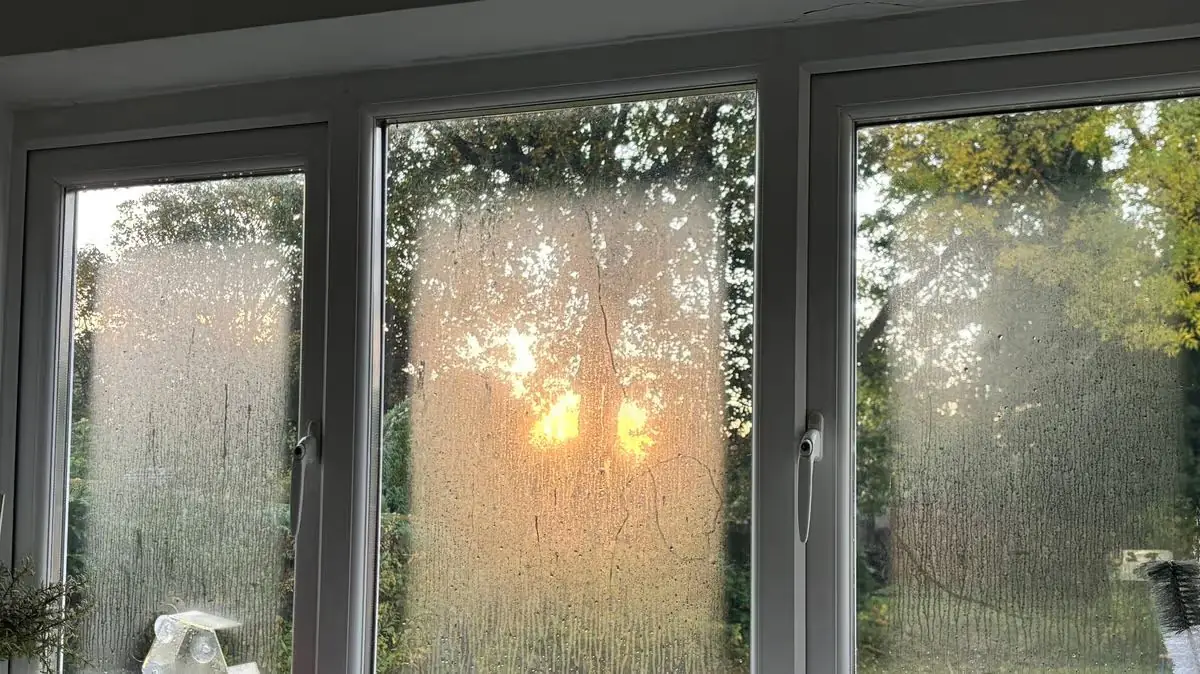
Approaching moisture control on fenestration surfaces requires a clear distinction between interior condensation, exterior condensation, and interlayer seal failure. When investigating how to avoid foggy glass in storms, individuals frequently encounter the misconception that wiping the glass or turning up the room thermostat will permanently resolve the issue. In reality, storm-induced fogging is a thermodynamic reaction. When heavy rain cools the exterior glass pane, the indoor air touching the interior pane drops below its dew point, causing water vapor to transition into liquid droplets.
A common oversimplification involves treating all window fogging as an indoor humidity problem. While elevated interior relative humidity certainly exacerbates interior condensation during cold weather storms, fogging can also occur inside the sealed cavity of a double- or triple-pane insulated glass unit (IGU). If an IGU’s edge seal has degraded due to age or ultraviolet exposure, wind-driven storm rain and high humidity can infiltrate the internal cavity, fogging the glass from the inside where no cleaning cloth can reach. Mastering how to avoid foggy glass in storms requires correctly diagnosing whether the moisture resides on the room side, the exterior side, or trapped within the sealed unit.
Furthermore, thermal bridging through aluminum or un-thermal-broken metal framing exacerbates storm fogging. Metal frames act as high-conductivity thermal highways, rapidly transferring the cold, rain-cooled exterior temperature to the interior edge of the glass. This localized chilling creates a perimeter ring of condensation and frost even when room-level relative humidity is kept within normal parameters. Comprehensive mitigation must therefore account for frame composition, edge spacers, and localized air movement across the glass surface.
Deep Contextual Background
The evolution of window construction reflects a continuous struggle against weather and thermal transfer. In early architectural traditions, single-pane glass offered minimal thermal resistance, resulting in widespread frost and heavy condensation during any winter storm or rain event. Buildings relied on high rates of natural air infiltration through loose-fitting wooden frames to exhaust indoor moisture, effectively preventing severe condensation at the expense of energy efficiency and thermal comfort.
As energy crises in the 1970s and subsequent building code revisions pushed the construction industry toward airtight, highly insulated envelopes, indoor moisture dynamics shifted dramatically. Modern buildings trap cooking vapor, human respiration, and showering humidity inside tightly sealed boxes. Without engineered mechanical ventilation and high-performance fenestration, this trapped moisture seeks out the coldest surface in the room during a storm: the window glass. The introduction of double-glazing, low-emissivity (Low-E) coatings, and inert gas fills (such as argon or krypton) drastically improved thermal performance, yet these technologies also introduced new failure modes, such as hermetic seal degradation and internal IGU fogging under extreme weather stress.
In contemporary architecture, understanding how to avoid foggy glass in storms has become increasingly vital as extreme weather events increase in frequency and intensity. High-performance buildings now utilize warm-edge spacer technology, thermally broken composite or uPVC frames, and computerized ventilation systems that purge indoor humidity before barometric pressure drops during severe storms. This technological trajectory underscores the shift from passive observation to active, engineered hygrothermal control.
Conceptual Frameworks and Mental Models
Controlling window condensation during severe weather requires structured mental frameworks that translate psychrometric physics into actionable building management strategies.
-
The Dew Point Threshold Model: This framework evaluates the exact temperature at which air becomes saturated and water vapor condenses, helping operators track how storm-driven drops in outdoor temperature alter interior glass surface temperatures.
-
The Psychrometric Vapor Pressure Gradient: This model analyzes how high winds and pressure differentials during coastal storms drive moisture through microscopic envelope gaps, altering local vapor concentrations near window assemblies.
-
The Thermal Bridging Pathway: This mental model traces how cold energy transfers through conductive frame materials, identifying localized cold spots where condensation nucleates first during heavy rainstorms.
-
The Hermetic Boundary Integrity Concept: This framework treats the IGU as an isolated pressure vessel, recognizing that barometric drops during severe thunderstorms place mechanical stress on edge seals, testing their resistance to moisture intrusion.
These conceptual models prevent reactionary maintenance, ensuring that mitigation efforts target the precise thermodynamic and mechanical vectors causing window fogging.
Key Categories or Variations of Mitigation Strategies
Mitigating storm-induced window fogging involves distinct technical interventions, each balancing thermal performance, capital investment, and installation complexity.
-
Advanced Fenestration Upgrades: Replacing aging single- or double-pane units with triple-glazed IGUs featuring multiple Low-E coatings and warm-edge silicone foam spacers.
-
Mechanical Ventilation and Dehumidification: Installing energy recovery ventilators (ERVs) or whole-home dehumidification systems to actively strip excess moisture from indoor air before storms arrive.
-
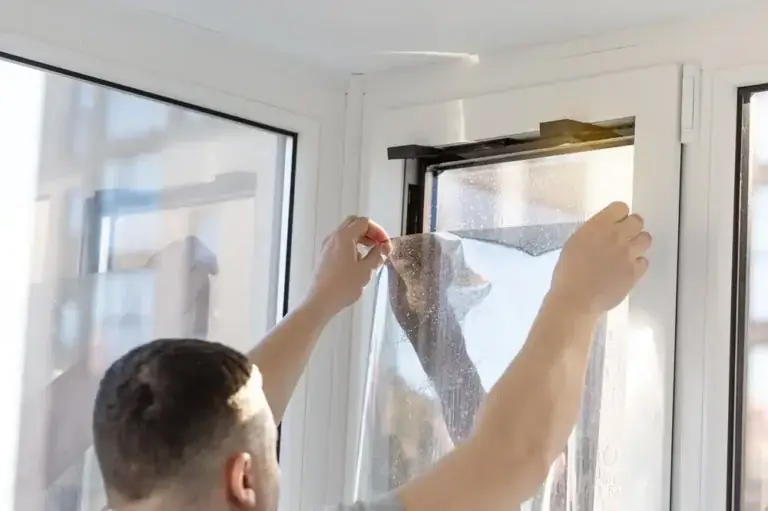
Thermal Break Retrofitting: Upgrading legacy metal window frames with thermal breaks or applying insulating thermal window films to raise interior glass surface temperatures.
-
Interior Air Circulation Management: Utilizing directional ceiling fans or strategic HVAC register placement to sweep warm room air across glass surfaces, preventing stagnant cold boundary layers.
-
Hermetic Seal Inspection and IGU Restoration: Implementing routine non-destructive testing to identify failing IGU edge seals before storm-driven moisture penetrates internal glass cavities.
-
Exterior Storm Panel Additions: Installing secondary exterior storm windows that create an insulating air buffer, keeping the primary interior glass pane warmer during torrential downpours.
| Mitigation Strategy | Upfront Cost | Thermal Performance Impact | Architectural Complexity | Primary Technical Risk |
| Triple-Glazed IGU Upgrade | High | Exceptional (eliminates cold glass spots) | High (requires heavy structural framing) | High unit weight demands reinforced headers |
| Whole-Home Dehumidification | Moderate-High | High (lowers indoor relative humidity) | Moderate | Requires dedicated mechanical space and drainage |
| Thermal Window Films | Low-Moderate | Low-Moderate (modest surface warming) | Low | Incorrect application can cause thermal glass stress cracking |
| Exterior Storm Panels | Moderate | Moderate-High (adds exterior thermal buffer) | Moderate | Can trap wind-driven water if not properly drained |
| Forced Air Circulation | Low | Low (mitigates localized stagnation) | Minimal | High energy consumption if run continuously |
Decision Logic for Strategy Selection
When developing an anti-fogging plan for a building portfolio, technical managers evaluate the nature of the moisture. If fogging occurs inside the sealed glass panes, surface treatments and dehumidifiers are entirely useless; the IGU must be replaced. Conversely, if condensation forms on the interior room-side glass during heavy rain, the team must analyze indoor relative humidity levels and upgrade thermal frame performance or deploy targeted ventilation strategies.
Detailed Real-World Scenarios
Examining concrete operational environments illustrates how window fogging manifests and how mitigation strategies perform under extreme weather constraints.
A : Coastal High-Rise During a Nor’easter
A luxury residential high-rise experienced severe interior glass fogging and water streaking during a prolonged coastal nor’easter. High winds drove cold rain directly against the western facade, rapidly chilling the aluminum-framed windows. Because interior relative humidity was maintained at 50% for tenant comfort, the cold glass surface dropped well below the dew point. The building management team mitigated future events by retrofitting thermal break inserts into the aluminum frames and programming the central HVAC system to pre-dehumidify the building prior to forecasted storm arrivals.
B : Historic Institutional Building with Failing IGUs
An early-20th-century university administration building featuring vintage double-pane retrofits suffered from permanent milky fog trapped inside the glass cavities following severe spring hailstorms. The wind-driven impact and thermal shock had compromised aging polyurethane edge seals, allowing rainwater to enter the internal gas-filled chambers. Because historical preservation guidelines barred changing the exterior fenestration appearance, the facility team removed the sashes and contracted a specialized glass restoration firm to flush, dry, and re-seal the IGUs on-site.
C : Residential Subdivisions Experiencing Rapid Cold Fronts
A suburban housing development experienced sudden exterior and interior glass fogging when a severe autumn squall line brought a 30-degree temperature drop in under two hours. The rapid cooling caused exterior condensation on some units and interior frost on others due to varied home occupancy habits. Homeowners who utilized smart thermostats to gradually ramp up heating prior to the front’s arrival successfully prevented interior condensation, while those with stagnant room air suffered heavy frost accumulation.
Planning, Cost, and Resource Dynamics
Executing comprehensive moisture and fogging mitigation requires structured resource allocation across specialized diagnostic tools, retrofitting materials, and skilled labor.
Direct costs include high-performance replacement IGUs, whole-home dehumidification hardware, thermal imaging cameras, and specialized anti-fogging glass treatments. Indirect costs involve scaffolding rentals for multi-story exterior glass repairs, energy consumption required to run continuous dehumidifiers, and potential interior water damage remediation if condensation goes unmanaged. Treating window fogging as a cosmetic annoyance rather than a building physics issue leads to wasted capital on ineffective chemical sprays.
Opportunity costs manifest when buildings delay comprehensive window envelope overhauls. Persistent condensation leads to wood rot in traditional framing, mold growth on surrounding drywall, and degraded indoor air quality that can trigger tenant health complaints and liability issues.
| Expense Category | Budget Impact Driver | Cost Variability Factors | Long-Term Financial Implication |
| Diagnostic Thermal Imagers | Low-Moderate | Resolution, calibration quality, brand | Eliminates guesswork in locating thermal bridges |
| IGU Replacement & Seals | High | Glass size, custom coatings, crane rentals | Permanently resolves internal seal failure and fogging |
| Mechanical Dehumidification | Moderate-High | CFM capacity, duct integration | Protects entire building envelope from mold and rot |
| Specialized Anti-Fog Coatings | Low | Chemical lifespan, application labor | Provides temporary surface tension breaking |
Tools, Strategies, and Support Systems
Mitigating storm-induced window fogging efficiently requires specialized diagnostic instruments, moisture-tracking sensors, and technical reference standards.
-
Infrared Thermal Imaging Cameras: Diagnostic tools used to identify cold spots, thermal bridges, and framing air leaks during or immediately after storm events.
-
Digital Hygrometers and Psychrometers: Precision instruments used to measure indoor relative humidity and temperature, calculating exact dew point thresholds in real time.
-
Non-Destructive Moisture Meters: Handheld devices used to scan drywall and wood framing surrounding window bucks for hidden water accumulation caused by condensation runoff.
-
Hydrophobic Glass Treatments: Nanotechnology-based surface coatings that alter glass surface tension, causing condensation droplets to sheet rather than scatter light into opaque fog.
-
Smart HVAC Interlocks: Automated control systems that link indoor relative humidity sensors to mechanical ventilation dampers, purging moisture before storms strike.
-
Warm-Edge Silicone Foam Spacers: Advanced IGU components that insulate the perimeter glass edge, preventing the cold-bridge effect that triggers perimeter frosting.
-
Condensation Drain Channel Cleaners: Specialized maintenance tools used to clear weep holes and drainage tracks in window frames, ensuring storm water escapes before saturating seals.
-
Building Envelope Engineering Standards: Technical literature providing guidance on condensation resistance factors (CRF) and U-factor ratings.
Risk Landscape and Failure Modes
The risk landscape associated with managing window condensation involves structural rot, mold proliferation, and thermal glass stress fracturing. These risks frequently compound through interconnected failure chains.
The primary systemic risk is biological growth resulting from chronic condensation runoff. When water droplets pool repeatedly on wooden window sills or saturate drywall returns during storm cycles, organic materials provide an ideal medium for mold colonization. This indoor mold growth poses serious respiratory health risks to occupants and triggers costly structural remediation. Mitigating this risk requires pairing thermal upgrades with diligent moisture monitoring.
Secondary risks involve thermal stress cracking in high-performance glass. When heavy window films or incorrect insulating coverings are applied to single- or double-pane windows, uneven solar absorption or localized thermal blocking can create extreme temperature differentials across a single pane of glass. During a sudden violent storm, this thermal stress can exceed the tensile strength of the glass, causing spontaneous fractures. Managing this risk requires adhering strictly to manufacturer compatibility guidelines when applying aftermarket window treatments.
Governance, Maintenance, and Long-Term Adaptation
Maintaining long-term clarity and thermal performance across building fenestration requires structured governance frameworks, scheduled inspection protocols, and proactive maintenance cycles.
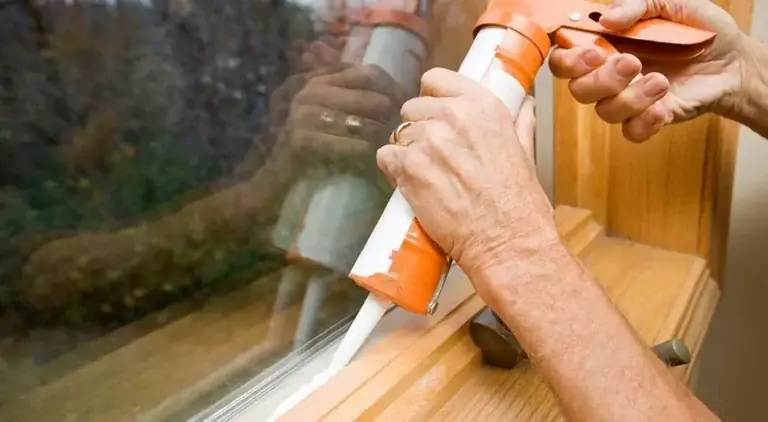
Facility managers and property owners should establish formal review schedules, inspecting window seal integrity, weather-stripping, and drainage weep holes biannually—ideally before the spring storm season and the winter freeze. Elastomeric sealants and rubber gaskets degrade under ultraviolet radiation and extreme temperature swings, leading to microscopic gaps that allow wind-driven rain to compromise the IGU edge seal.
Adjustment Triggers and Remediation Protocols
When specific performance regressions occur, targeted interventions must follow immediately:
-
Internal IGU Fogging: Indicated by milky white haze locked between glass panes. Remediation requires immediate IGU replacement or professional cavity re-sealing.
-
Perimeter Frosting During Storms: Indicated by heavy ice or condensation ringing the glass edge. Remediation requires inspecting frame thermal breaks and lowering indoor relative humidity.
-
Weep Hole Blockage: Indicated by water pooling within the window track during heavy downpours. Remediation requires clearing debris from drainage channels to prevent water head pressure against seals.
Maintaining a comprehensive digital logbook tracking window inspection dates, thermal audit results, and seal replacement histories ensures long-term asset accountability and envelope health.
Measurement, Tracking, and Evaluation
Evaluating the success of anti-fogging strategies requires balancing quantitative psychrometric data against qualitative tenant comfort feedback.
Leading indicators focus on process compliance: verifying that indoor relative humidity is successfully kept below 45% prior to major storms, ensuring weep holes are unobstructed, and confirming that HVAC dehumidification interlocks are operational. Lagging indicators measure operational outcomes: tracking the frequency of tenant condensation complaints, monitoring mold remediation incidents, and evaluating post-storm thermal imaging scans for recurring cold bridges.
Documentation Examples
To maintain rigorous accountability, property management teams utilize standardized recording templates:
-
Storm Preparation Checklist: Catalogs pre-storm relative humidity targets, HVAC purging schedules, and exterior drainage inspections.
-
Fenestration Audit Log: Records IGU seal integrity, frame material conditions, and thermal imaging results for every building elevation.
-
Condensation Incident Report: Summarizes specific room locations, outdoor weather conditions, and indoor climate metrics during fogging events to isolate root causes.
Common Misconceptions and Oversimplifications
Managing storm-induced window condensation requires dispelling persistent myths that routinely lead to ineffective remediation and wasted capital.
-
Myth: Wiping down foggy windows with household glass cleaner permanently stops storm condensation.
-
Correction: Glass cleaners only remove surface moisture temporarily; they do not alter the thermodynamic dew point or indoor humidity levels driving the condensation.
-
-
Myth: Internal IGU fogging can be fixed by drilling a small hole in the glass to let the moisture escape.
-
Correction: While some uncertified services offer defogging holes, this destroys the hermetic seal, allows dust inside, and permanently ruins the insulating gas fill, degrading thermal performance.
-
-
Myth: Lowering the room thermostat during a winter storm prevents window condensation.
-
Correction: Lowering indoor air temperature actually increases relative humidity and cools the glass surface further, frequently worsening interior condensation.
-
-
Myth: All window fogging is caused by manufacturing defects in the glass.
-
Correction: The vast majority of interior room-side condensation is driven by high indoor relative humidity and poor building ventilation, not glass failure.
-
-
Myth: Heavy curtains completely eliminate window condensation issues during severe weather.
-
Correction: Heavy drapery traps cold air against the glass surface, blocking room heat and dramatically lowering glass temperatures, which actually increases condensation risk.
-
-
Myth: Double-pane windows are entirely immune to seal failure if installed correctly.
-
Correction: All IGU edge seals have a finite lifespan and are eventually degraded by thermal expansion, UV exposure, and severe barometric pressure changes.
-
Ethical, Practical, and Contextual Considerations
The execution of building science and moisture management carries professional responsibilities that extend far beyond financial accounting. Chronic indoor condensation and unchecked mold growth disproportionately impact vulnerable populations, including children, the elderly, and low-income residents living in aging housing stock. Architects, property managers, and building owners hold a profound duty of care to ensure that living and working spaces maintain healthy indoor environmental standards.
Furthermore, environmental stewardship dictates resource efficiency. Prematurely discarding failing window units generates avoidable construction waste, while inefficient thermal envelopes increase energy consumption for heating and cooling. By balancing technical rigor, building physics, and human physiological needs, professionals ensure that structures successfully navigate severe weather while maintaining long-term sustainability and structural integrity.
Conclusion
Managing window fogging during severe meteorological events requires a rejection of superficial fixes in favor of structured building physics. From understanding dew point thresholds and psychrometric vapor pressures to implementing thermal breaks, mechanical dehumidification, and robust IGU maintenance, every intervention dictates long-term indoor environmental quality. By systematically addressing thermal bridging, indoor humidity, and hermetic seal integrity, property owners can achieve crystal-clear views and durable building envelopes. True structural resilience emerges from disciplined engineering, rigorous maintenance, and an unwavering commitment to human well-being.