Common Window Sealing Mistakes to Avoid: Definitive Guide
The thermal boundary of any building relies heavily on the fenestration envelope. When examining residential efficiency, understanding common window sealing mistakes to avoid is essential. This prevents long-term structural degradation.
Windows represent structural discontinuities. Distinct materials—such as glass, wood, vinyl, aluminum, and masonry—meet under varying coefficients of thermal expansion. Therefore, maintaining an effective seal requires a synthesis of material science and precise execution. When building envelopes fail prematurely, the root cause is rarely a single catastrophic event. Instead, failures typically trace back to procedural oversights during initial installation.
Achieving a durable seal involves more than applying a simple bead of elastomeric compound. It demands a deep understanding of moisture vapor movement, dynamic structural loads, and ultraviolet exposure. Neglecting these physical realities introduces vulnerabilities. Consequently, energy efficiency, indoor air quality, and structural longevity are severely compromised.
Addressing these challenges requires a comprehensive catalog of common window sealing mistakes to avoid. By examining structural and chemical pitfalls, property owners can move beyond temporary fixes. Ultimately, this approach establishes resilient, long-lasting assemblies.
Understanding Common Window Sealing Mistakes to Avoid
Evaluating Fenestration Integrity
Evaluating fenestration installation requires a departure from superficial assessments. Many practitioners treat sealing as a final finishing touch. However, it is actually a core structural component of the building envelope. This perspective leads to persistent oversights. For instance, workers often apply sealants across incompatible substrates or ignore critical drainage planes.
Analyzing common window sealing mistakes to avoid exposes friction points. Specifically, it highlights the conflict between rapid construction timelines and strict moisture management requirements.
Dispelling Caulk Misconceptions
A frequent misunderstanding centers on a visible, unbroken bead of caulk. Many assume it automatically equates to an airtight seal. In practice, sealants face continuous shear, tensile, and compressive stresses. These stresses are driven entirely by daily thermal cycling.
If a joint lacks proper depth-to-width geometry, the sealant will rupture internally. Furthermore, confusing interior aesthetic caulking with exterior weather-sealing invites bulk water intrusion. As a result, moisture gets trapped inside wall cavities, fostering mold growth and wood decay.
The Danger of Single-Line Defenses
Over-reliance on single-line defenses also characterizes flawed installation logic. A robust building envelope requires redundant barriers. These include a primary weather seal, a secondary drainage plane, and continuous air barriers.
When installers rely solely on a single exterior bead of caulk, any microscopic void causes total envelope failure. Therefore, recognizing these structural dynamics is critical for reliable performance.
Deep Contextual Background
Historical Building Practices
The evolution of window sealing practices mirrors the history of building science. In traditional vernacular architecture, workers set window frames into heavy timber openings with minimal synthetic sealants.
Weather resistance relied heavily on gravity, overlapping overhangs, and natural fiber packing materials like oakum. Furthermore, these traditional assemblies possessed high vapor permeability. Because of this high permeability, moisture dried out naturally through surrounding porous materials.
The Modern Polymer Revolution
The mid-twentieth century introduced lightweight framing and synthetic polymers. The advent of silicone, polyurethane, and acrylic latex allowed for tighter building tolerances.
However, this shift toward impermeable envelopes created new vulnerabilities. Early designers frequently overlooked a major flaw: synthetic sealants completely blocked traditional drying pathways. If bulk water bypassed the exterior seal, the moisture became trapped inside modern cavity insulation, accelerating structural degradation.
Modern Energy Code Pressures
Over recent decades, energy codes have grown increasingly rigorous. They now mandate low air-infiltration rates and advanced thermal performance metrics.
Consequently, modern blower door testing and thermal imaging technologies now expose minute installation flaws. Understanding these historical shifts highlights why traditional installation shortcuts no longer suffice.
Conceptual Frameworks and Mental Models
The Four-Barrier Concept
Navigating fenestration installation requires structured mental models. The Four-Barrier Concept organizes envelope protection into four distinct lines of defense:
-
Ultraviolet and wind protection.
-
Bulk water management.
-
Air barrier continuity.
-
Vapor diffusion control.
Neglecting any single barrier disrupts the performance of the entire system.
Joint Movement and Drainage Hierarchy
Sealants are rated by their ability to stretch and compress. Installers must calculate anticipated thermal movement before selecting a compound.
Additionally, water management must always follow gravity. Upper flashing layers must overlap lower components. This ensures that any breaching moisture is guided safely away from structural framing.
Key Categories and Variations of Sealing Failures
Categorizing Structural Failures
Fenestration failures manifest in distinct ways depending on material selection and environmental exposure. Below are the primary failure categories:
-
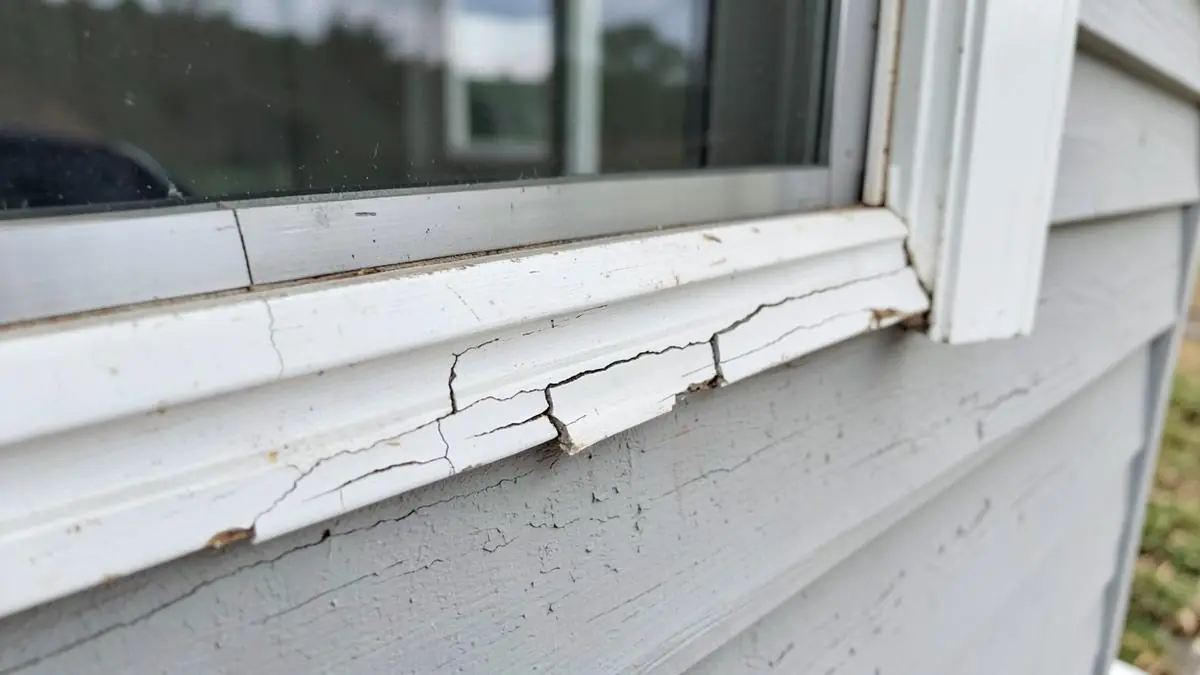
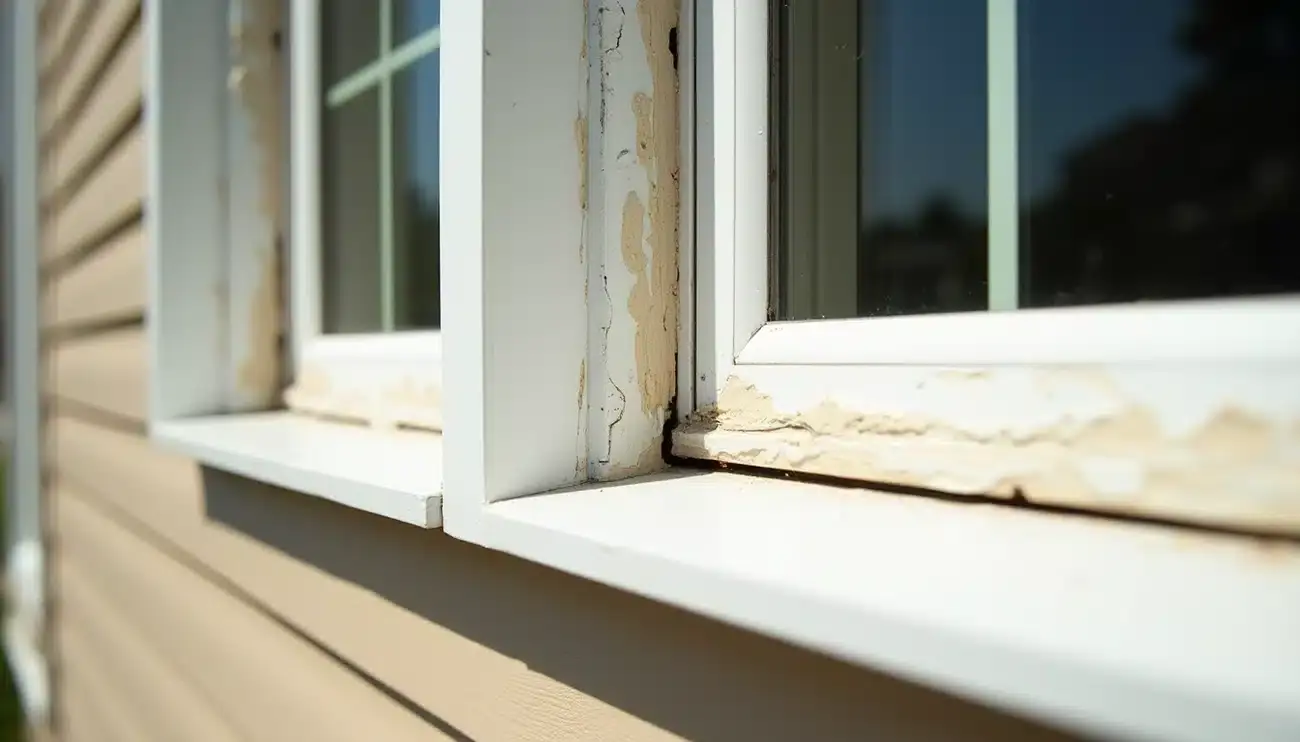
Substrate Contamination: Occurs when sealants are applied over dust, oil, or moisture, leading to peeling.
-
Improper Joint Geometry: Arises when a sealant bead is applied too thin or without a backer rod.
-
Flashing Integration Errors: Involve reversing shingle-lap principles or omitting sill pans.
-
Incompatible Interactions: Happens when reactive sealants touch sensitive metals or plastics.
-
UV Degradation: Results from selecting general-purpose interior compounds for high-exposure exterior zones.
-
Vapor Trapping: Occurs when impermeable sealants are applied on both sides of a wall assembly.
Failure Analysis Matrix
| Failure Category | Primary Root Cause | Observable Symptom | Mitigation Strategy |
| Substrate Contamination | Inadequate surface preparation | Peeling along edges | Solvent wiping and primer application |
| Improper Joint Geometry | Lack of backer rod | Cohesive splitting | Maintain 2:1 width-to-depth ratio |
| Flashing Integration | Missing sill pans | Water pooling, rot | Install sloped sill pans |
| Material Incompatibility | Chemical reactivity | Softening, loss of bond | Use neutral-cure silicones |
| Vapor Trapping | Double-sided sealing | Internal mold | Ensure vapor-open drying path |
Material Selection Logic
Practitioners must carefully balance movement capability and curing mechanisms. Neutral-cure silicones offer superior UV resistance for glass-to-metal joints. Conversely, paintable hybrid sealants suit perimeter applications where architectural coatings are required.
Detailed Real-World Scenarios
Commercial Curtain Wall Separation
On a multi-story commercial building, installation crews applied structural silicone directly over residual manufacturing releasing agents. Within eighteen months, thermal cycling caused widespread adhesive failure. Water penetrated the vertical mullion joints, leaking into office interiors below and triggering costly remediation.
Residential Retrofit Failures
A residential contractor replaced aging wood windows with modern vinyl units. To seal the perimeter, the crew injected polyurethane foam followed by an exterior acrylic latex bead. However, they omitted sill pan flashing.
During the first winter, warm indoor air condensed against the foam. The resulting moisture accumulation caused hidden mold growth and structural sill plate rot.
Historic Masonry Restoration
Restoring a historic brick facade required inserting new pocket windows. Installers used a high-modulus acetoxy silicone against historic stone.
The high movement stresses proved too much for weathered mortar joints, causing the adjacent masonry to crack. Furthermore, breathable detailing was ignored, which accelerated plaster deterioration.
Planning, Cost, and Resource Dynamics
Direct and Indirect Costs
Effective sealing requires strategic resource allocation. Viewing sealing as a low-cost peripheral task often incurs high downstream expenses.
Direct costs involve specialized materials like structural silicones and self-adhered flashing tapes. Although premium sealants carry a higher unit price, their extended service life reduces maintenance expenditures.
Opportunity and Labor Costs
Opportunity costs manifest when projects experience delays due to improper weather conditions. Furthermore, cutting corners on surface preparation to save labor hours frequently leads to expensive warranty callbacks.
| Resource Category | Budget Impact Driver | Cost Variability Factors | Long-Term Financial Implication |
| Premium Materials | High upfront cost | Brand tier, shelf life | Lower lifecycle maintenance |
| Surface Prep & Primers | Moderate labor cost | Substrate porosity | Prevents catastrophic failure |
| Flashing Systems | Moderate-to-high cost | Custom fabrication | Eliminates mold remediation |
| Skilled Labor | High wage requirement | Certification standards | Ensures zero-defect execution |
Tools, Strategies, and Support Systems
Essential Application Tools
Executing precise sealing demands specialized tools to control application variables:
-
Pneumatic Dispensing Guns: Provide consistent extrusion pressure and eliminate hand fatigue.
-
Joint Depth Gauges: Enable technicians to tool sealant surfaces correctly.
-
Cleaning Solvents: Ensure bonding surfaces remain free of microscopic contaminants.
-
Backer Rod Tools: Prevent three-way adhesion by maintaining correct depth ratios.
Diagnostic and Quality Control Systems
In addition to physical tools, diagnostic systems ensure envelope performance. Thermal imaging cameras detect air leakage pathways, while blower door equipment measures total air exchange rates. Furthermore, technical data sheets provide explicit guidelines on cure times and substrate compatibility.
(Note: For further guidelines on improving home performance, reference our detailed guide on energy efficiency audit checklists [internal link], or check out material instructions provided by ASTM International standards [outbound link].)
Risk Landscape and Failure Modes
Moisture Intrusion and Health Hazards
The primary systemic risk is moisture intrusion. When a seal degrades, bulk water enters the wall assembly.
If the assembly lacks drying capacity, trapped moisture degrades organic framing materials. Furthermore, it promotes fungal growth, such as Stachybotrys chartarum. Occupants exposed to airborne mold spores face heightened respiratory sensitivities.
Thermal Envelope Degradation
Secondary risks involve thermal envelope degradation. Air leakage around poorly sealed frames induces localized drafts. This increases heating and cooling loads, causing HVAC systems to work harder.
Moreover, freeze-thaw action on water-saturated sealants causes physical cracking. Managing this risk landscape requires rigorous quality control audits.
Governance, Maintenance, and Long-Term Adaptation
Scheduled Maintenance Protocols
Ensuring system longevity requires structured governance frameworks. Maintenance programs must transition from reactive repairs to proactive inspection cycles.
Facility managers should establish formal review schedules, inspecting exterior sealants biannually in the spring and autumn. Additionally, interior inspections should coincide with seasonal weather extremes.
Remediation Protocols
When specific threshold indicators appear, targeted interventions must follow immediately:
-
Cohesive Tearing: Requires cutting out failed material and replacing it with a higher-movement compound.
-
Adhesive Loss: Mandates mechanical stripping, solvent cleaning, and priming.
-
UV Embrittlement: Requires total removal and replacement with UV-resistant silicone.
Maintaining a comprehensive documentation logbook ensures long-term accountability.
Measurement, Tracking, and Evaluation
Leading vs. Lagging Indicators
Evaluating sealing success requires a combination of indicators. Leading indicators focus on process compliance during installation, such as verifying substrate cleanliness and conducting adhesion tests.
Conversely, lagging indicators measure long-term performance outcomes, including blower door test results and occupant comfort feedback.
Documentation Standards
To maintain strict accountability, quality assurance teams utilize standardized recording templates:
-
Site Preparation Log: Records ambient temperature, humidity, and substrate moisture readings.
-
Material Batch Sheet: Catalogs product names, lot numbers, and expiration dates.
-
Post-Installation Report: Summarizes blower door differentials and thermal imaging findings.
Common Misconceptions and Oversimplifications
Dispelling Industry Myths
Navigating fenestration installation requires dispelling persistent myths:
-
Myth: All exterior caulks perform identically regardless of climate.
-
Correction: Sealants possess distinct chemical formulations and UV resistances.
-
-
Myth: Applying a thick caulk bead provides better protection.
-
Correction: Thick beads without proper depth ratios cannot flex correctly under thermal stress.
-
-
Myth: Interior caulking contributes to weatherproofing.
-
Correction: Interior trim caulk manages minor drafts but provides zero bulk water resistance.
-
-
Myth: Sealant performance remains stable permanently.
-
Correction: All synthetic polymers degrade over time due to UV exposure and thermal cycling.
-
-
Myth: Silicone sealants can be painted over.
-
Correction: Standard silicones are non-paintable; paint films will crack and peel.
-
-
Myth: Expanding foam alone serves as an adequate seal.
-
Correction: Unprotected foam absorbs water and degrades rapidly under UV light.
-
Ethical, Practical, and Contextual Considerations
The execution of building envelope sealing carries professional responsibilities. Poorly installed windows compromise structural integrity and waste finite energy resources. Furthermore, they expose occupants to health hazards like mold.
Contractors hold a shared duty of care to ensure installation practices meet recognized building science standards. Selecting low-VOC sealants minimizes indoor air quality degradation. Ultimately, balancing technical rigor and ethical execution ensures structural resilience.
Conclusion
Mastering fenestration installation requires a rejection of shortcuts and an embrace of rigorous building science. From understanding chemical compatibility matrices to enforcing proper joint geometry, every step dictates long-term envelope performance.
By systematically identifying procedural vulnerabilities, project teams can construct durable, energy-efficient assemblies. True structural resilience emerges from a disciplined commitment to holistic design, quality control, and continuous maintenance oversight.